
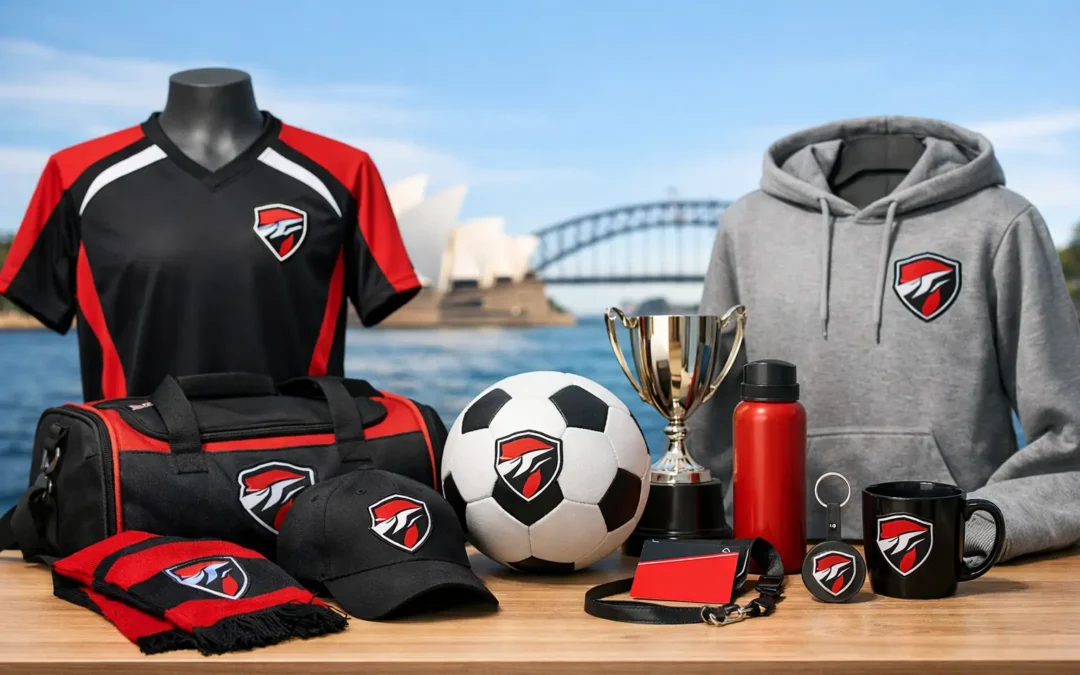
When a club runs short on branded stock a week before a members’ event, the problem is rarely just the product. It is the delay to approvals, the mismatch in artwork, the supplier who cannot confirm dispatch, or the item that looked fine online but does not suit the venue once it arrives. That is why choosing the right club merchandise supplier Australian businesses can rely on is not simply a buying decision. It is an operational one.
Clubs, venues and sporting organisations usually need more than a carton of branded items. They need merchandise that supports membership growth, event visibility, sponsor obligations and day-to-day presentation. In practical terms, that can mean anything from custom drinkware and glassware through to promotional products, printed materials and event merchandise delivered in bulk and on time.
What a club merchandise supplier in Australia should actually do
A capable supplier should make procurement easier, not add another layer of admin. For clubs ordering at volume, the real value is in having one team manage sourcing, branding application, artwork handling, production and fulfilment with clear communication at each stage.
That matters because club merchandise rarely sits in one neat category. A hospitality venue may need branded pint glasses for the bar, reusable cups for an outdoor function, printed promotional collateral for a membership drive and event merchandise for a sponsored night. If those items come from separate suppliers, timelines and branding consistency can quickly drift.
Working with a supplier experienced in bulk commercial orders helps reduce that risk. It gives buyers a clearer path from quote to delivery, with fewer chances for artwork errors, stock gaps or product substitutions that affect presentation.
Why clubs have different merchandise needs from corporate buyers
Corporate promotions often focus on campaigns with a fixed start and finish. Clubs tend to order with a different rhythm. They may need ongoing stock replenishment, seasonal event runs, sponsor-branded items, hospitality-grade drinkware and merchandise that can handle regular use in busy environments.
That changes the product conversation. A cheap promo giveaway may be suitable for one event, but not for a licensed club bar or a members lounge where presentation affects the customer experience. Likewise, the right product for a golf day may not suit a junior sports club fundraiser or a large RSL event.
A good supplier will not push one-size-fits-all recommendations. They should ask where the product will be used, how many units are needed, what branding method is appropriate and whether the merchandise is intended for sale, giveaway or operational use. Those details shape the buying decision far more than catalogue price alone.
Product range matters, but suitability matters more
A broad range is useful, particularly for clubs that want to consolidate spend. Still, range on its own does not guarantee the right result. The better question is whether the supplier can match products to the club’s actual use case.
Drinkware is a good example. Clubs, breweries and hospitality venues often need branded glassware or reusable cups that look sharp, feel appropriate in hand and hold up under repeated use. Branding methods also matter here. Screen printing, pad printing, digital print and laser etching all produce different outcomes depending on the material, design and expected wear.
The same applies to event merchandise. If the item is being used at a high-traffic function, practicality comes first. If it is being sold or distributed to members, perceived value becomes more important. The right supplier should be comfortable explaining those trade-offs in plain terms.
How to assess a club merchandise supplier Australia-wide
If your club operates across multiple locations or runs state-based events, Australia-wide delivery and production coordination become important very quickly. Even single-site venues benefit from dealing with a supplier that understands freight realities and lead times across the country.
When assessing a club merchandise supplier Australia buyers should look beyond headline claims and focus on process. Ask how quotes are handled, how artwork is approved, what production timelines apply to different items and what happens if a deadline is tight. A dependable supplier will be direct about lead times and realistic about what can be produced without compromising quality.
It is also worth checking whether the supplier is set up for repeat ordering. Clubs often reorder the same lines with minor artwork updates or adjusted quantities. A supplier with a practical B2B process can save significant time across repeat runs by retaining artwork records, previous specifications and branding details.
Branding capability is not just a nice extra
For clubs and venues, merchandise sits alongside signage, menus, uniforms, sponsor assets and in-venue presentation. If the branding on the product is off, even slightly, it stands out.
That is why branding capability should be treated as core, not optional. Buyers should know what print or etching methods are available, what artwork formats are preferred and how proofs are supplied for approval. This is especially important for logos with fine detail, metallic elements, gradients or strict sponsor colours.
An experienced supplier will flag issues before production starts. They will tell you if a design needs adjusting for a smaller print area or if a certain finish will reproduce better on glass, stainless steel or plastic. That advice prevents expensive mistakes.
Wholesale pricing has to be weighed against total value
Unit price matters. For procurement teams and club managers ordering in bulk, it always will. But the cheapest line is not always the lowest-cost outcome once you factor in print quality, breakage, freight, rework and delivery delays.
Trade buyers usually understand this already. Less specialised buyers sometimes learn it the hard way. If an item arrives late, needs replacing or reflects poorly on the brand, the hidden cost is much higher than the saving on the quote.
A wholesale supplier should be able to offer competitive pricing at volume while still maintaining product standards and realistic turnaround times. The key is balance. Good procurement is not about stripping cost from every line. It is about getting suitable merchandise delivered reliably, with no surprises in production.
Where local service makes a difference
There is a practical advantage in working with an Australian supplier that understands local events, venue expectations and freight timeframes. Communication is faster, approvals are easier to manage and there is usually a better grasp of the urgency around event dates and campaign launches.
For clubs, that local support can be the difference between a straightforward order and a rushed recovery job. It also helps when buyers need guidance rather than just a product code. Not every club has an in-house design team or dedicated merchandise manager. Many need support selecting products, preparing artwork and choosing a branding method that suits the budget.
That is where a hands-on supplier adds real value. ABC2000, for example, works with business and venue buyers who need practical advice as much as product supply, particularly on custom drinkware, branded glassware and event merchandise ordered at scale.
Common mistakes clubs make when ordering merchandise
One of the most common mistakes is leaving approvals too late. Production timelines can be reasonable, but artwork delays, internal sign-off and quantity changes often compress the schedule more than expected.
Another is choosing products based only on appearance in a catalogue. What looks good in a static image may not suit a licensed venue, outdoor event or regular commercial use. Samples, specifications and clear advice all help avoid that mismatch.
The third issue is treating each order as a stand-alone job. Clubs that plan merchandise across the year tend to get better outcomes. They can align products to events, secure more efficient bulk quantities and maintain consistent branding across their operations.
A better way to buy club merchandise
The strongest supplier relationships are built on repeatability. Clubs do not just need stock. They need a process that works every time, whether the order is for branded glassware for the bar, promotional items for a membership campaign or event merchandise for a major function.
That means clear quoting, sensible lead times, dependable branding application and delivery that matches the promised schedule. It also means working with a supplier that understands commercial pressure. Deadlines are real. Budgets are fixed. Presentation still matters.
If you are reviewing suppliers, start with the practical questions. Can they handle bulk quantities? Do they understand your venue or event environment? Can they manage artwork properly? Are they transparent about turnaround? Can they support repeat orders without reinventing the process each time?
Those answers will tell you far more than a glossy catalogue ever will. And when the next event date is locked in, that kind of reliability is what keeps your club looking prepared, professional and ready to deliver.