
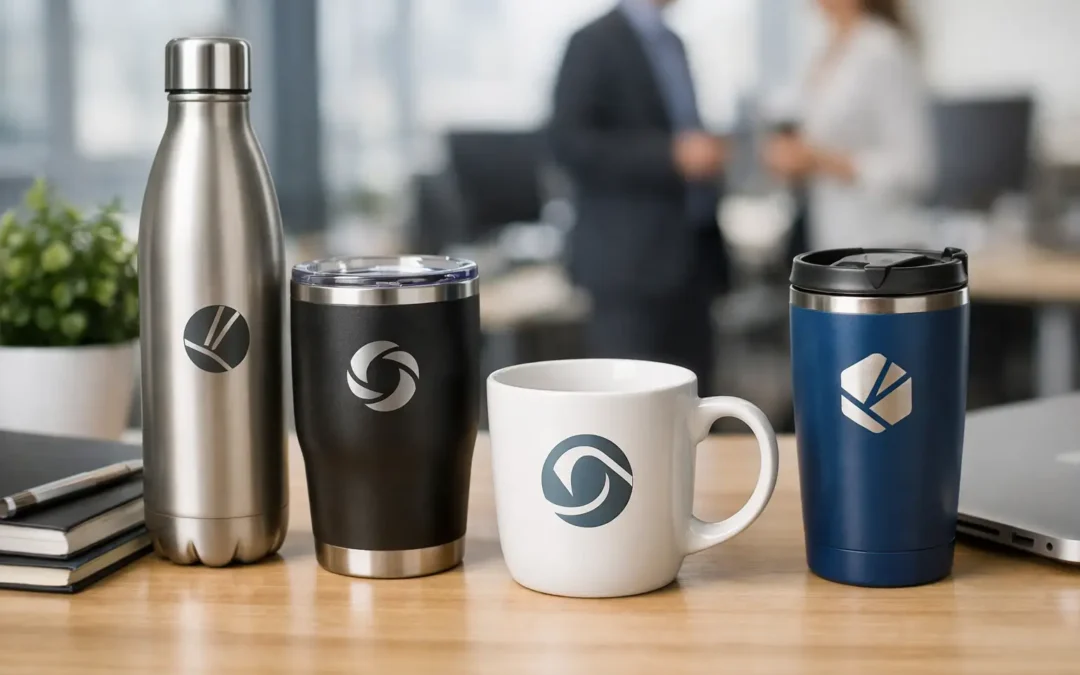
A drink bottle handed out at a conference, a branded pint glass behind a busy bar, or a keep cup used on the morning commute all put your logo in front of people repeatedly. That is what makes drinkware a high-value merchandise category – provided the product, decoration method and order timing are right. This corporate drinkware branding guide is designed for Australian businesses ordering at volume and needing a result that looks considered, arrives on schedule and works in daily use.
Start with the job the drinkware needs to do
The first decision is not colour or logo position. It is where the item will be used, who will receive it and how long it needs to stay in circulation. A premium vacuum bottle can be an excellent client gift or staff recognition item, but it may be unnecessary for a high-volume community event where a simple reusable bottle delivers better reach per dollar.
For hospitality, glassware needs to suit service conditions as well as brand presentation. A brewery may require durable beer glasses with a permanent decoration that holds up through commercial washing. A venue running a seasonal cocktail promotion may prioritise a distinctive glass shape and a smaller branded run. Corporate campaigns often favour practical bottles, tumblers and coffee cups because recipients can use them at work, in the car or at the gym.
Think about the environment before selecting the product. Will it be carried in a bag, used outdoors, stocked behind a bar, placed in a staff kitchen or packed into event bags? Lid type, capacity, insulation, weight and break resistance all affect whether the item becomes part of someone’s routine or ends up in a cupboard.
Choose a product that supports your brand position
Drinkware should reflect the standard your organisation wants to project. This does not always mean choosing the most expensive item. It means matching the product to the audience and purpose.
Stainless steel bottles and insulated tumblers suit businesses seeking a polished, durable option for staff packs, client programs and premium promotions. Their perceived value is high, and they offer useful decoration opportunities through printing or laser etching. Plastic bottles are often better suited to sporting clubs, schools, outdoor activations and large campaigns where lightweight handling and a competitive unit price matter most.
Glassware is a natural choice for breweries, pubs, clubs, distilleries, restaurants and corporate functions. A well-chosen pint glass, wine glass, cocktail glass or tasting glass can reinforce a venue identity at the exact point customers are enjoying the product. The trade-off is that glass requires more careful storage, transport and handling than bottles or cups.
Reusable coffee cups work well when sustainability messaging forms part of the campaign, but the practical details still matter. Check the cup size against standard café serving sizes, consider whether a sleeve is needed for hot drinks, and choose colours that work with the artwork. A recycled-material product can strengthen the message, although material texture or flecking may affect the precision of fine printed detail.
Plan the artwork before approving the product
A logo that looks sharp on a letterhead does not automatically translate to a curved bottle or a narrow glass. Artwork preparation is one of the most common causes of avoidable delays and disappointing results in branded merchandise.
Supply vector artwork where possible, such as AI, EPS or print-ready PDF files. Vector files allow the design to be scaled cleanly and are especially useful for screen printing, pad printing and laser etching. If only a raster image is available, confirm that it is high resolution and suitable for the required print area. A small image taken from a website is rarely sufficient for production.
Keep the design appropriate to the available decoration space. Fine type, thin lines, gradients and complex photographic artwork can be difficult on some drinkware surfaces. Simplifying the logo for merchandise is often the right commercial decision, not a compromise in brand quality. A bold one-colour mark can look far more effective on a bottle than a detailed multi-colour lock-up that is hard to read from a distance.
Brand colour also needs a practical conversation. Pantone references provide a clear target, but the final appearance can vary according to the base material, finish and decoration process. Printing white onto dark powder-coated steel creates a different visual effect from printing the same colour onto clear glass. Requesting a proof and checking placement, scale, spelling and colour references before production is essential, particularly on larger orders.
Make the branding readable in use
Consider how the drinkware will be held. On a bottle or tumbler, the logo should remain visible when someone grips it. On glassware, a front-facing print may be ideal for service, while a wrap design can create stronger shelf impact. If the item has a handle, lid seam or textured area, these features may limit the printable section.
The best branded drinkware is not crowded. Give the logo room to work, use a clear hierarchy where a campaign line is included, and avoid treating every available surface as advertising space. Consistent placement across bottles, cups and glassware also helps a campaign look organised when products are used together at an event or venue.
Select the right decoration method
The decoration method should be selected for the material, artwork, expected use and required finish. There is no single best option across all drinkware.
Screen printing is a dependable option for bold logos and solid colours, particularly on plastic bottles, reusable cups and selected glassware. It provides strong visibility and is cost-effective for bulk runs, especially where the design uses one or two colours. Complex artwork or multiple print colours can increase setup and unit costs.
Pad printing is suited to smaller or more confined print areas, including curved surfaces and detailed sections of some products. It can reproduce fine elements well within its limits, but very large print areas may be better suited to another process.
Laser etching creates a refined, permanent mark on suitable stainless steel drinkware and other compatible materials. It is an excellent choice for premium corporate gifts, staff merchandise and long-life branded bottles because there is no ink layer to wear away. The finished colour is determined by the underlying material rather than your full brand palette, so it is best for logos that remain recognisable in a single etched tone.
Digital printing can be useful where artwork contains multiple colours, gradients or detailed graphics. It may offer flexibility for particular product types and lower quantities, although the durability and finish should be assessed against how often the item will be washed and handled. For hospitality stock, always discuss commercial-use expectations rather than assuming a decorative print will suit repeated wash cycles.
Build the order around quantity, timing and distribution
Bulk drinkware procurement works best when the full order is planned from the start. The headline unit price is only one part of the decision. Decoration setup, packing, freight, split deliveries and the cost of missing an event date all need to be considered.
Order quantities can affect pricing significantly, particularly when setup costs are spread across a larger production run. However, ordering excess stock only makes sense if you have a realistic use for it. Venues may benefit from holding branded glassware as replacement stock, while a one-off conference may be better served by a quantity close to confirmed attendance plus a sensible contingency.
Allow time for artwork approval, product availability, decoration, quality checks and delivery to your location. Event deadlines should be treated as fixed production requirements, not preferred dates. If stock needs to be distributed across offices, venues or regional locations, flag this early so packing and freight can be planned properly.
For repeat programs, record the approved product code, artwork version, print position and colour references. This makes reordering faster and protects brand consistency. ABC2000 supports this practical approach by helping business buyers coordinate product selection, custom branding and bulk delivery through one supply process.
Check quality where it matters most
A pre-production proof confirms the design, but it is also worth considering the physical experience of the item. Does the lid close securely? Is the bottle comfortable to carry? Does the glass feel appropriate for the beverage and venue? Are the printed areas positioned consistently across the run?
For branded glassware, ask about suitability for the intended washing conditions and manage expectations around normal wear over time. For insulated drinkware, check the construction, capacity and lid function rather than relying on appearance alone. A useful product that performs as expected protects both the campaign budget and your brand reputation.
Packaging deserves attention when the drinkware is being gifted or sent directly to recipients. Individual boxes can improve presentation and protect fragile products, but they add cost and volume. For event giveaways, bulk packing may be the more efficient choice. The right answer depends on whether the moment of handover is part of the brand experience.
Make drinkware part of a consistent merchandise program
Drinkware performs best when it is connected to a broader use case rather than treated as a standalone giveaway. A brewery can align branded glasses with bar mats, tap decals and event merchandise. A corporate team can combine bottles with notebooks and lanyards for onboarding or conference packs. A club can use reusable cups alongside signage and apparel to create a consistent member experience.
Start with a product people will genuinely use, give the branding enough space to be recognised, and allow realistic time for production. When those basics are handled well, a practical bottle, cup or glass continues representing your business long after the event pack is opened or the first drink is poured.