
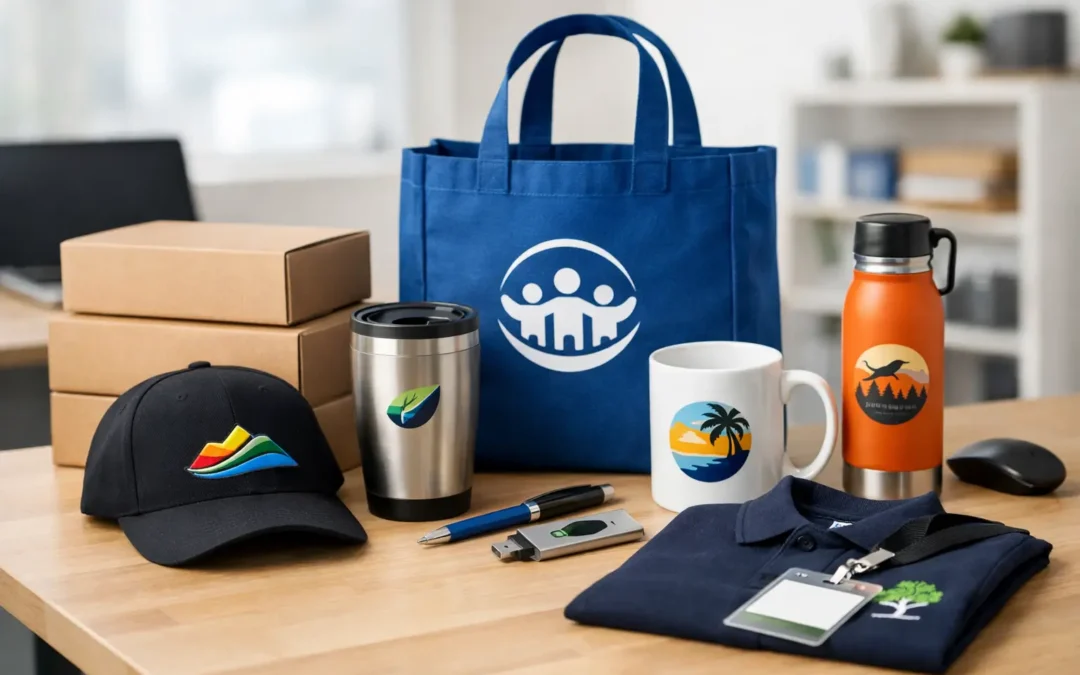
A cheap stubby holder that arrives late, a logo that disappears into a dark print area, or cartons that miss the event bump-in can turn a good promotion into an expensive problem. Knowing how to buy promo products is less about picking the lowest unit price and more about matching the item, branding method, quantity and production schedule to the job at hand.
For Australian businesses buying at volume, the strongest orders start with a clear brief. Whether you are supplying a brewery launch, club merchandise, a hospitality venue, a corporate campaign or a trade event, the product needs to work in the real setting where customers will use it. It also needs to arrive correctly branded, packed and delivered when your team needs it.
Start with the purpose, not the product
Promotional products work best when they have a defined role. A reusable drink bottle may suit a staff wellbeing campaign or outdoor event. Branded glassware can lift the presentation of a bar, brewery or restaurant while giving customers a product they will reuse at home. Tote bags, pens and notebooks can be effective for conferences, but only when they suit the audience and are likely to stay in circulation.
Before requesting pricing, establish who the item is for, where it will be used and what action you want it to support. A giveaway designed to drive foot traffic has different requirements from venue stock that will be handled every service, or premium client merchandise intended to reinforce a long-term relationship.
It also helps to decide whether the item is a single campaign purchase or part of an ongoing supply programme. Repeat orders benefit from consistent product selection, branding positions and colour references. This reduces approval time later and makes brand presentation more reliable across locations, events or franchise groups.
Set a realistic quantity and budget
Bulk buying usually improves unit pricing, but the cheapest quantity is not always the right quantity. Ordering too little can leave you short during a successful event. Ordering far too much can tie up budget and storage space, particularly for dated campaign stock or seasonal merchandise.
Work backwards from expected demand. For an event, consider attendee numbers, staff requirements, VIP allocations and a sensible contingency. For hospitality products, factor in breakages, wash cycles, venue capacity and stock held in reserve. For a retail giveaway, estimate the likely redemption rate rather than buying for every person in your database.
Your budget should cover more than the blank item. Ask for a full quote that accounts for branding, setup or artwork charges where applicable, freight, packaging and GST. If the order includes multiple product types or delivery locations, make sure those details are included early. A clear landed cost makes it easier to compare quotes fairly and avoid unexpected extras near approval.
Compare value, not just unit price
Two similar-looking products can differ in material, capacity, print area, finish and expected service life. This matters particularly with drinkware and glassware. A lower-priced vessel may be suitable for a one-night promotion, while a venue serving branded cocktails or craft beer may need a more durable product with a finish that supports its positioning.
Consider the cost per useful impression. A practical, well-branded item that is used repeatedly can deliver better value than a cheaper giveaway that is discarded after the event. For high-use products, quality is part of the brand message.
Choose products people will actually use
The most effective promotional merchandise solves a small everyday need or fits naturally into the customer experience. Drinkware remains a strong choice because it is visible, practical and suitable for a wide range of industries. Keep cups, tumblers, water bottles, coffee cups, beer glasses and wine glasses can all carry branding without feeling like disposable advertising.
The right choice depends on the environment. Outdoor festivals may call for durable reusable cups or insulated bottles. A corporate onboarding pack may suit a notebook, pen and drink bottle combination. A brewery or club may require branded glassware that supports a consistent pour and a recognisable bar presentation.
When reviewing options, check the details that affect use: size, material, lid type, insulation, dishwasher suitability, product weight and available colours. For apparel or bags, assess fabric weight, sizing and construction. For display materials, confirm dimensions, substrates and how the item will be installed or transported.
Samples are worthwhile for larger purchases, especially when the product will be customer-facing or used in hospitality. A sample allows your team to assess feel, colour, scale and perceived quality before committing to bulk production. It can also reveal practical issues, such as whether a logo position is visible when a cup is held or whether a glass suits your service style.
How to buy promo products with the right branding method
Branding is not an afterthought. The application method affects the appearance, durability, lead time and cost of the finished item. The best option depends on the product material, artwork complexity, number of colours, print area and intended use.
Screen printing is often well suited to bold artwork and larger volume runs. Pad printing can be useful for smaller or curved print areas. Digital printing can suit detailed, full-colour designs, while laser etching gives a clean, permanent finish on selected metal, glass and coated drinkware products. A supplier should recommend a method based on what will produce a clear result, rather than simply applying the same process to every item.
Keep artwork practical. Fine lines, tiny type and low-contrast colour combinations may not reproduce well on certain surfaces. A dark logo on a dark bottle, for example, may technically be printed but fail to deliver the visibility you need. If your brand guidelines are strict, provide approved logo files, Pantone references where relevant and any rules around clear space, colour use or logo placement.
Vector artwork is generally preferred for clean reproduction. Formats such as AI, EPS or print-ready PDF are typically easier to work with than screenshots, low-resolution JPEGs or files copied from a website. If your artwork needs adjustment, allow time for artwork preparation and approval before production begins.
Approve the proof carefully
A digital proof is your opportunity to confirm the final product, print location, logo size, colours, spelling and quantities. Check it against the approved brief, not just on a mobile screen. If the product has branding on more than one side, verify each position.
The proof approval stage is also where production timing becomes firm. Delays in returning artwork or approving proofs can affect the delivery date, even when stock is available. Nominate one internal decision-maker where possible, so feedback is consolidated and the order can move forward without avoidable hold-ups.
Plan around production and delivery deadlines
A required-in-hands date is more useful than simply saying an order is urgent. Tell your supplier when the goods must be delivered, where they are going and whether there are site restrictions. Event venues may have strict loading dock hours, receiving rules or bump-in windows. Corporate offices may require deliveries to a particular level, reception point or warehouse.
Production lead times vary according to stock availability, product type, branding method, order volume and the time of year. Peak periods can place pressure on both production schedules and freight networks. Christmas campaigns, end-of-financial-year activity, major sporting events and conference seasons all reward early planning.
Leave room for the full process: product selection, quotation, artwork preparation, proof approval, production, quality checks and freight. If your deadline is tight, be upfront from the first enquiry. A practical supplier can advise which products and decoration methods are achievable, and which choices introduce unnecessary risk.
For multi-site campaigns, discuss fulfilment requirements early. You may need orders split by location, labelled by branch, packed into event kits or delivered in stages. These services can simplify internal handling, but they need to be built into the order rather than added at the last minute.
Work with a supplier built for commercial orders
A promotional products supplier should do more than provide a catalogue. For volume orders, you need clear stock advice, realistic lead times, accurate artwork guidance and a team that understands how customised production works. This is particularly valuable when you are coordinating multiple stakeholders across marketing, procurement, operations and events.
Ask direct questions before placing the order. Confirm whether the item is in stock, what the branding method will be, how long production will take after proof approval and how freight will be managed. If product substitution is possible due to supply constraints, agree on an approval process before production begins.
ABC2000 supports Australian businesses with wholesale promotional products, custom drinkware, branded glassware, display materials and printing solutions for bulk campaigns and ongoing supply. The aim is straightforward: make the buying process easier while keeping the final product aligned with your brand, budget and deadline.
The best first step is to prepare a concise brief with your quantity, required delivery date, product use, branding requirements and delivery location. That gives your supplier the information needed to recommend practical options and helps your order move from idea to approved production with fewer surprises.