
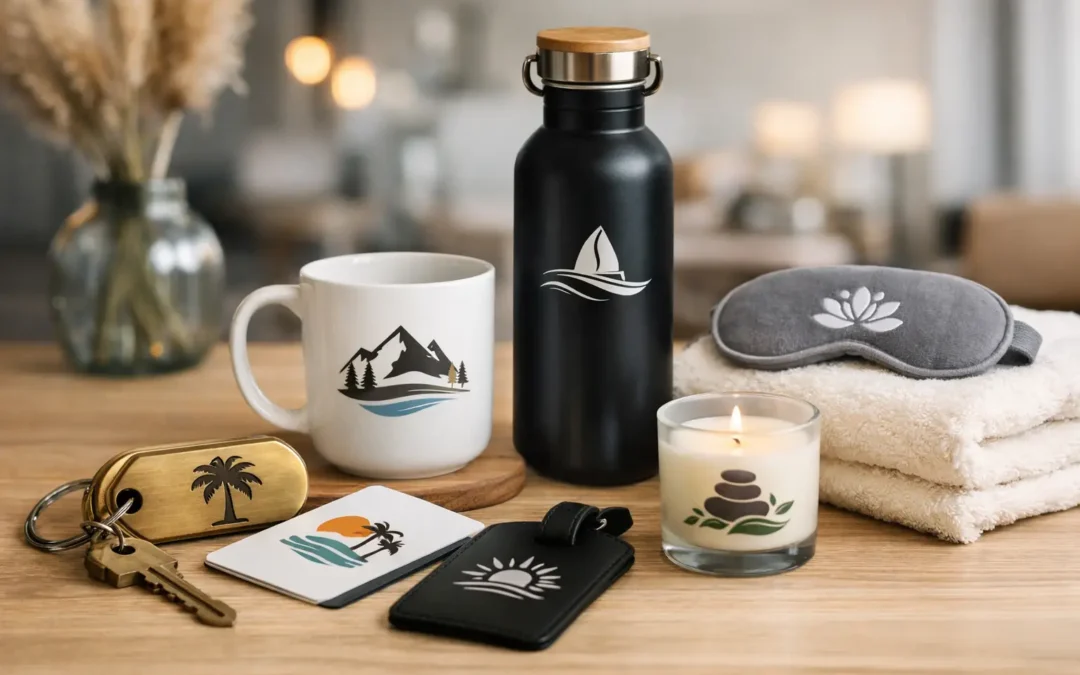
A guest picks up a cold pint glass, checks the menu, carries a takeaway coffee and posts a photo from your venue. Each moment is a chance to reinforce who you are. Hospitality branding is not confined to a logo above the door. It is the consistent visual and physical experience that makes a venue, brewery, hotel, club or café recognisable long after the visit ends.
For hospitality operators, the challenge is making that experience feel considered without creating unnecessary cost or complexity. The best branded items do useful work in service, stand up to repeated handling and fit the venue’s character. When purchasing in bulk, choosing the right products and decoration method matters as much as the artwork itself.
What Hospitality Branding Looks Like in Practice
Hospitality branding works across the full customer journey. It starts with high-visibility items such as exterior signage, menus and staff presentation, but it also appears in the objects guests touch. Branded glassware, coasters, napkins, takeaway cups, stubby holders, serving boards, bar mats and event merchandise can all carry the same visual cues.
This does not mean every surface needs a logo. Over-branding can make a venue feel promotional rather than polished. A small etched mark at the base of a wine glass may suit an upmarket restaurant, while a bold one-colour print on a schooner glass may be exactly right for a brewery launch. The right approach depends on your service style, audience and how often the item will be used.
Consistency is the priority. If your colours, logo treatment and tone differ from the bar to the beer garden to the takeaway counter, guests receive a fragmented impression. A clear brand system helps staff order items confidently and gives suppliers accurate production direction.
Start With the Touchpoints That Matter Most
Before ordering merchandise, identify where guests and staff interact with your brand most often. A busy pub may gain more value from durable branded pint glasses and bar runners than from premium gift packs. A hotel may need branded robes, room collateral, glassware and conference materials. A festival or venue group may require practical, high-volume products that can be distributed quickly across multiple locations.
Focus first on products that have a clear operational purpose. Drinkware is particularly effective because it is handled repeatedly, photographed often and remains visible throughout the visit. For breweries, branded glassware also supports pour presentation and can become a retail item for loyal customers. For clubs and sporting venues, reusable cups and stubby holders can extend brand exposure well beyond the premises.
Consider three questions before adding an item to your range: Will guests or staff use it regularly? Will it hold up under commercial conditions? Does it present the brand at the standard you expect? If the answer is no, the lowest unit price may not represent the best buying decision.
Match the Product to the Service Environment
A product that looks good in a sample photo may not suit a commercial wash cycle, crowded bar or fast-paced event service. Hospitality procurement needs to account for breakages, replacement cycles, storage space and cleaning requirements alongside appearance.
For glassware, capacity and shape influence more than aesthetics. A beer glass should suit the product being poured, feel comfortable in hand and work with existing racking or glasswasher systems. Cocktail and wine glassware need to support the venue’s intended presentation while remaining practical for staff to carry and clear. If the logo is a key feature, allow adequate print area and select a decoration method that retains clarity on curved surfaces.
Reusable plastic drinkware can be a better fit for outdoor functions, licensed events, pool areas and high-volume activations. It reduces breakage risk and can support event branding at scale. The trade-off is that the product and print finish should still feel appropriate to the occasion. A premium ticketed event may require a higher-grade reusable cup, while a community event may prioritise volume, visibility and fast distribution.
Choose a Branding Method That Suits the Item
The decoration method has a direct effect on cost, lead time, durability and final appearance. Artwork that is suitable for a flat printed flyer is not automatically suitable for a small etched glass or a single-colour bar mat.
Screen printing is a practical option for bold, uncomplicated artwork and larger volume orders. It suits logos with solid colours and provides strong visibility on many promotional products. Multi-colour designs may require additional set-up and careful registration, so it is worth simplifying artwork where possible.
Laser etching creates a refined, permanent finish on suitable drinkware and metal products. It is often well suited to hospitality brands that want a more understated mark, particularly on glassware, tumblers or premium staff and corporate items. The result is generally tonal rather than full colour, which means fine detail and contrast need to be considered during artwork preparation.
Digital printing can suit designs with detailed artwork, gradients or multiple colours, depending on the product. It offers flexibility, but the product material, print area and expected wear should guide the final choice. A reliable supplier should explain what is achievable before production begins, rather than promising an artwork outcome that will not reproduce cleanly.
Build a Brand Kit for Easier Repeat Orders
Hospitality businesses often add locations, run seasonal campaigns or replace stock at short notice. A simple brand kit makes repeat ordering faster and protects consistency. It should include approved logo files, colour references, preferred logo positions, minimum clear space and examples of how the brand appears on core products.
It is also useful to record the exact product specifications that worked well. Keep details such as glass size, decoration method, print colour, supplier artwork approval and previous order quantities. This avoids having to re-evaluate the same decisions when stock runs low before a major weekend or event.
For multi-site operators, set a core range that all venues use, then leave room for local identity. A parent brand may standardise glassware, staff lanyards and event materials, while individual venues use their own colourway or secondary mark on merchandise. This gives guests a cohesive experience without making every location feel identical.
Plan Around Production and Delivery, Not Just Event Day
Hospitality deadlines are rarely flexible. A new venue opening, beer release, race day, conference or Christmas trading period can create a fixed date that cannot move. Ordering branded merchandise late can narrow your product choices, increase pressure on artwork approvals and leave little room for freight delays.
Start by working backwards from the date stock must be on site. Allow time for selecting products, preparing print-ready artwork, confirming a proof, production, quality checking and Australia-wide delivery. Larger quantities, customised glassware and specialised branding methods may require more planning than standard promotional stock.
Quantity also affects unit pricing. Ordering sufficient stock for expected turnover can be more economical than placing several small top-up orders, particularly where set-up costs apply. However, avoid tying up budget in products that may change with a rebrand, sponsorship arrangement or menu shift. The best order quantity balances price efficiency with realistic usage and storage capacity.
Make Branded Merchandise Part of the Guest Experience
The strongest branded merchandise has a job to do. A well-designed glass improves beverage presentation. A quality tote supports a conference delegate. A reusable cup helps manage service at a large event. When an item is useful, guests are more likely to keep it, photograph it or take it home, giving the brand a longer life than a one-off advertisement.
This is where hospitality branding can support both service and marketing. A brewery may sell branded tasting paddles and glassware at the cellar door. A club can offer event merchandise that creates a sense of belonging. A café can use branded takeaway cups and reusable tumblers to keep its name visible during the commute. The commercial outcome varies, but the principle remains the same: useful products earn attention.
ABC2000 supports hospitality buyers with bulk custom drinkware, branded glassware, promotional merchandise and printing options designed around commercial ordering requirements. The practical value is having product, artwork handling and branding application considered together, rather than treating each as a separate task.
A polished venue is built through repeatable details. Choose the items guests genuinely use, make sure the branding suits the material and environment, and order early enough to protect quality. Those everyday touchpoints are often what make a brand feel familiar, dependable and worth returning to.