
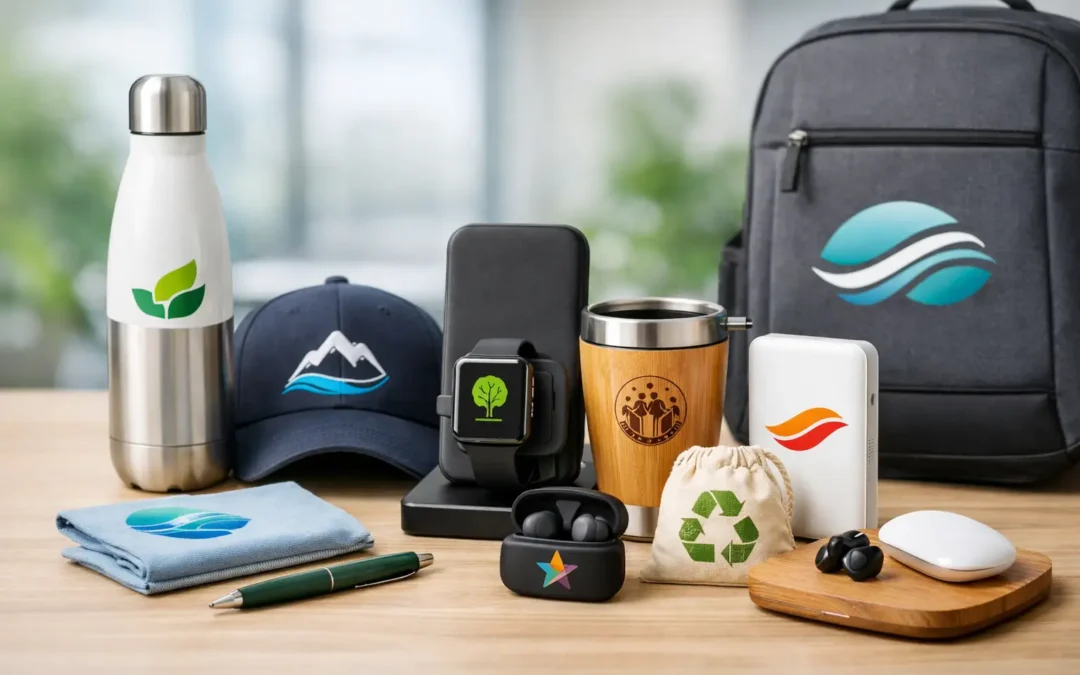
A branded drink bottle that is used every day will usually do more for a campaign than a novelty item that lands in a drawer. That practical reality sits behind the promotional merchandise trends 2026 buyers should watch. Australian businesses are placing greater value on useful products, consistent presentation and supply decisions that stand up to real event dates, venue requirements and budget scrutiny.
For procurement teams, marketing managers and hospitality operators, the direction is clear: merchandise needs to earn its place. It must be relevant to the recipient, suitable for the branding method, available in commercial quantities and delivered when promised. The strongest merchandise programmes are less about chasing every new product and more about selecting the right formats for the job.
Promotional merchandise trends 2026: utility leads
The shift towards practical merchandise has been building for years, but it is now a purchasing standard rather than a point of difference. Reusable drinkware, quality pens, apparel, bags, bar accessories and workplace essentials remain strong because they fit naturally into daily routines. A well-branded tumbler on a desk, a stubby holder at a club event or a reusable cup at a festival keeps the brand visible without asking the recipient to make a special effort.
Custom drinkware is particularly effective because there is a format for nearly every setting. Insulated bottles suit corporate gifting, staff packs and outdoor promotions. Branded glassware works for breweries, pubs, clubs and cellar doors. Stadium cups and reusable event cups support high-volume activations where speed, safety and repeat use matter. The product should match the environment, not simply carry the logo.
This is also where buyers need to separate low unit cost from value. A cheaper item can look expensive if the print is poorly positioned, the colour does not reproduce accurately or the item fails after limited use. Equally, premium merchandise is not always necessary for a broad giveaway. The best choice depends on audience size, expected product life, campaign objective and how closely the item will be associated with your brand.
Reuse is becoming part of brand presentation
Sustainability claims alone are losing impact. Buyers are looking more closely at whether an item will genuinely be kept, reused and seen. A reusable product with a clear purpose is generally a more credible option than a disposable giveaway labelled as environmentally conscious.
In 2026, expect more briefs to specify recycled content, reusable formats, reduced packaging or locally held stock. These can be worthwhile requirements, but they need to be verified against the product, production method and intended use. A bottle made with recycled material may be suitable for a staff campaign, while durable glassware may be the better long-term option for a hospitality venue. There is no single sustainable answer across all promotional categories.
For events, reuse also has an operational benefit. Branded cups, water bottles and tote bags can reduce onsite waste while creating a visible, consistent event identity. If the event runs across multiple days, a quality reusable item gives attendees a reason to retain it and bring it back. That is a better brand outcome than distributing large volumes of low-value products that are quickly discarded.
Cleaner branding and stronger decoration methods
Logo placement is becoming more considered. Rather than covering every available surface, many businesses are choosing a single strong mark, a restrained colour palette and branding that works with the product shape. This approach is especially effective on drinkware and glassware, where a clear print or laser-etched finish can feel more premium than an overcrowded design.
The right decoration method remains central to the result. Screen printing is practical for bold, high-volume designs. Digital printing can suit detailed artwork or multi-colour graphics. Laser etching gives a permanent finish on selected metal drinkware and can create a refined tonal look. Pad printing remains useful for curved or smaller surfaces, while full-wrap decoration provides stronger visual impact where the product and artwork allow it.
Each method has limitations. Fine detail may not reproduce cleanly at a small size. Artwork colours can shift depending on the item’s base colour and print process. Etching does not produce the same effect as a coloured print. Experienced artwork checking before production helps avoid avoidable problems, particularly when branding must align with existing venue signage, packaging or campaign materials.
Merchandise should work across the full brand environment
A common purchasing mistake is treating promotional products as separate from the rest of the brand. In practice, a venue’s pint glasses, staff apparel, countertop displays, menus, event banners and takeaway cups are all seen together. Inconsistent logo versions or mismatched colours can make a well-funded promotion look improvised.
The stronger approach is to plan merchandise as part of the wider visual system. Use approved artwork files, define brand colours carefully and decide which products need prominent branding versus a more subtle treatment. For breweries and hospitality groups, that may mean matching branded glassware with tap decals, coasters and point-of-sale materials. For corporate events, it may mean aligning attendee packs with registration signage and presentation materials.
Event merchandise needs earlier planning
Fast turnaround remains valuable, but 2026 buyers should not rely on last-minute ordering as a normal procurement strategy. Event merchandise often involves multiple product types, artwork approvals, decoration methods, packing requirements and delivery points. Every extra variable can affect timing.
Ordering earlier gives buyers more choice of colours, sizes and stock availability. It also allows time for pre-production checks where required, especially for large campaigns or products with detailed branding. If merchandise is being distributed at several locations, freight planning deserves the same attention as the product itself. A finished order is only useful when it reaches the right site, in the right quantity, before setup begins.
This does not mean every campaign needs a long lead time. Locally available stock and established production processes can support urgent projects. The sensible approach is to discuss the deadline at the start, identify any non-negotiable delivery dates and select products that suit the available timeframe. A practical alternative delivered on time is often better than an ideal product that misses the event.
Bulk buying is becoming more targeted
Large quantities still matter, particularly for national promotions, venues, clubs and major events. However, bulk buying is becoming more deliberate. Instead of ordering one generic product for every audience, businesses are dividing stock by purpose: a premium item for key clients, durable venue stock for daily service and a cost-effective giveaway for high foot traffic.
This approach can improve budget control without reducing brand quality. For example, a brewery may order branded pint glasses for its venue, insulated cans for retail promotions and stubby holders for a regional event. All three serve different purposes, but the logo treatment and colour direction can keep the campaign recognisably connected.
Stockholding and repeat supply also matter for businesses with ongoing requirements. Clubs, hospitality groups and multi-site operators benefit from products that can be reordered consistently rather than changed every time stock runs low. Before committing to a product, ask whether it is likely to remain available, what the minimum order requirements are and how future branding runs will be managed.
AI-assisted design will not replace production checks
More buyers are arriving with artwork developed using online design tools and AI-assisted platforms. These tools can help generate ideas quickly, but they do not replace production-ready files or an understanding of print limitations. A design that looks sharp on a screen may not work on a curved bottle, a textured bag or a small glass imprint area.
The practical requirement is still the same: artwork needs to be supplied or prepared in a format that suits the decoration process. Vector logo files, correct colours, clear type and adequate line thickness produce more reliable results. If a campaign uses generated imagery, buyers should also confirm they have the right to use it commercially and that it reflects the brand accurately.
What to ask before approving an order
Before a large order moves to production, the key questions are straightforward. Is the product fit for the audience and setting? Will the selected branding method reproduce the artwork properly? Is the quoted lead time based on approved artwork and available stock? Have packaging, freight and delivery requirements been considered? And will the final product support the brand standard you expect?
These questions are not administrative detail. They are where many merchandise outcomes are won or lost. A supplier that understands bulk production can help narrow the options quickly, flag risks early and recommend a more suitable alternative when the original specification is likely to cause delays or disappointing results.
For Australian organisations planning campaigns, venue refreshes or major events, 2026 is a good time to favour merchandise with a genuine job to do. ABC2000 helps businesses bring together product sourcing, branding and bulk supply so that practical choices still arrive with a polished finish. Start with the audience, the deadline and the environment where the item will be used, then choose merchandise built to perform there.