
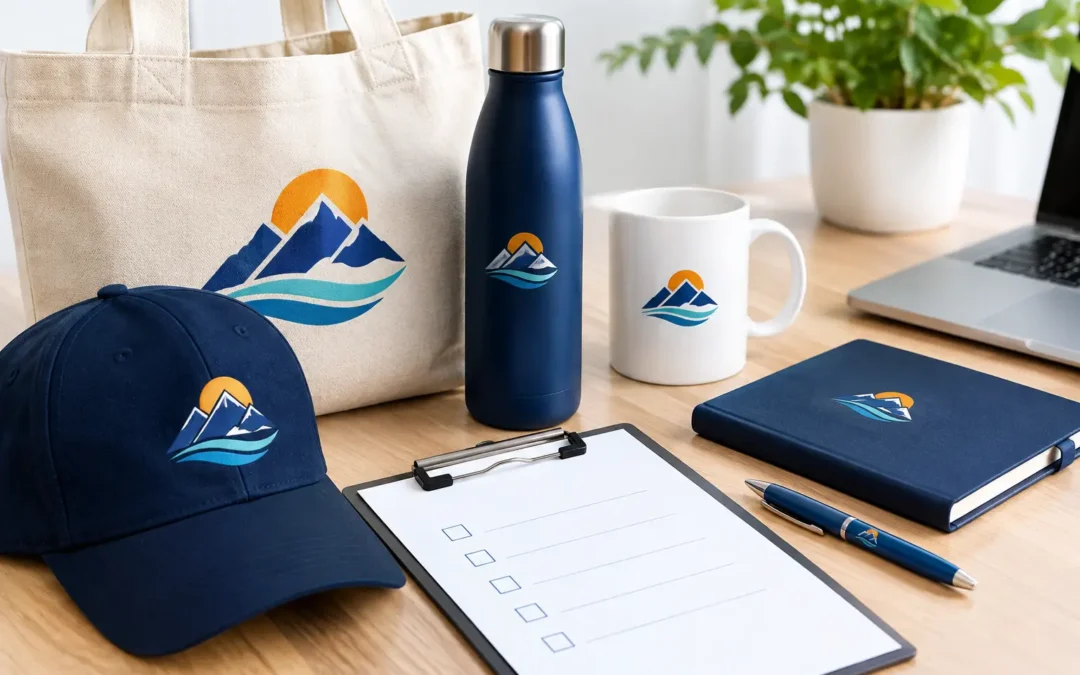
A branded merchandise procurement checklist prevents the expensive mistakes that tend to appear late: a logo that does not reproduce cleanly, drinkware arriving after an event, or a unit price that looked workable before freight and setup costs were added. For bulk buyers, the product is only one part of the decision. Artwork, decoration method, packing, production capacity and delivery timing all need to work together.
Whether you are ordering branded glassware for a venue, event giveaways for a national campaign or reusable cups for a brewery, a clear buying process protects both your budget and your brand presentation. Use the checks below before requesting a quote or issuing a purchase order.
Start With the Purpose of the Order
Procurement works best when the intended use is specific. “Promotional products” is too broad to guide a supplier towards the right item. Define who will receive the merchandise, where they will use it and what you need it to achieve.
For example, a conference delegate gift needs to be portable, useful and easy to distribute. A hospitality venue may need branded pint glasses that suit daily service and repeated washing. A festival activation may prioritise visibility, fast handout and a price point that supports high volumes. These uses can lead to very different product, decoration and packaging choices.
Set the outcome before choosing the item. Consider whether the priority is brand exposure, customer retention, resale, staff uniformity, sponsorship value or practical venue use. This also helps internal stakeholders assess the order against a clear objective rather than personal product preferences.
Confirm Quantity, Budget and Contingency
A bulk merchandise order needs more than a headline quantity. Build in realistic allowances for staff, VIPs, replacements, late registrations and expected demand at the event or venue. Ordering exactly to attendee numbers often creates avoidable shortages.
Your budget should account for the complete landed order cost. Ask whether the quote includes product supply, branding setup, artwork amendments, decoration, individual packaging, freight and GST. A low unit price can be misleading if it excludes required print positions or delivery to multiple locations.
Quantity also affects product availability and pricing. Some items have efficient price breaks at higher volumes, while others are constrained by carton quantities or available stock. If cost is tight, compare two or three practical quantity options before locking in the specification. It may be more economical to order enough for a second campaign than to place two small runs.
Choose Products That Suit Real Use
The most successful branded merchandise earns repeat use. A product can look impressive in a presentation but perform poorly if it is awkward, fragile or irrelevant to its recipient. Match the product to the environment it will enter.
For drinkware and glassware, check capacity, material, wall thickness, dishwasher suitability and intended beverage service. A branded beer glass for a brewery, for instance, has different requirements from a double-wall travel mug for a corporate workforce. If products will be handed out outdoors, weight and breakability matter. If they will be packed into event kits, size and carton efficiency matter.
Ask for dimensions, product photos and decoration area details early. Where presentation is especially important, request a pre-production sample or physical sample where timing allows. This adds cost and time, but it can be worthwhile for high-volume venue stock, premium client gifts or a new brand rollout.
Use This Branded Merchandise Procurement Checklist for Branding
Your branding method should be selected for the product material, artwork detail, order volume and expected product life. Do not assume every logo can be printed in the same way on every item.
Screen printing can be an efficient option for bold, one or two-colour artwork on suitable products. Digital printing may suit more detailed full-colour designs, depending on the item and print area. Laser etching creates a durable, refined finish on compatible metal drinkware and selected coated products. Decal application and firing are commonly considered for branded glassware and ceramic items where a lasting finish is required.
Before approving a method, work through these checks:
- Confirm the exact logo version, colours, wording and placement for each product.
- Supply clean vector artwork where possible, such as AI, EPS or print-ready PDF files.
- Check minimum line weights, small text legibility and the available decoration area.
- Specify whether branding is required on one side, both sides, wraparound or in more than one position.
- Approve a digital artwork proof before production begins, and nominate one person with final approval authority.
- Confirm whether colour matching is critical and whether a Pantone reference is available.
A proof is not just an administrative step. It is the point where product size, logo scale and decoration position become visible together. Check spelling, web addresses, registration marks and phone numbers as carefully as the artwork itself. Once production starts, changes can mean additional cost, delay or unusable stock.
Build a Production Timeline Backwards
The required-in-hand date is more useful than the date you would like to place the order. Start with the date the goods must be at the venue, warehouse or campaign location, then allow time for freight, receiving, packing and distribution.
Production lead times vary according to stock availability, decoration method, quantity, artwork readiness and seasonal demand. An item that is available now may still need setup, print scheduling and quality checks before dispatch. Custom-made or offshore production generally requires longer planning than stocked items with local branding.
Allow a buffer for approvals and delivery, particularly before Christmas, major trade shows and peak event periods. If the order has a fixed deadline, tell the supplier at the first enquiry. A practical supplier can recommend in-stock alternatives, compatible branding methods or a staged delivery plan if your preferred option cannot meet the date.
Check Supplier Capability Beyond the Catalogue
A broad product range is useful, but procurement confidence comes from the supplier’s ability to manage the order properly. Ask direct questions about stock, decoration, proofs, production timing, delivery and quality control. Clear answers early are a good indicator of how the project will be handled later.
For recurring supply, assess whether the supplier can retain specifications, artwork files and previous order details. Consistency matters when venues, clubs or multi-site businesses reorder branded glassware, uniforms, promotional stock or point-of-sale materials throughout the year. The goal is not simply to buy an item once. It is to create a reliable ordering process that protects your brand every time.
ABC2000 supports this type of commercial ordering with bulk product sourcing, custom branding, printing and laser etching, helping buyers coordinate multiple production requirements through one experienced team.
Plan Delivery, Storage and Distribution
Freight is not an afterthought, especially for glassware, display materials and high-carton-volume orders. Confirm the delivery address, site access requirements, contact person, receiving hours and whether a tail-lift service or booking is needed. Large venues, shopping centres and event sites may have strict loading procedures.
If stock is being sent to several branches or event locations, provide a clear allocation schedule before packing begins. Split deliveries can be useful, but they should be planned upfront so carton labelling, freight charges and dispatch dates are correct. For fragile items, check protective packing and allow for safe storage at the destination.
Receiving teams should inspect deliveries promptly. Compare carton counts, item quantities and branding against the approved order documentation, then report any concerns before stock is distributed. This gives everyone the best chance to resolve an issue while the order is still traceable.
Keep a Reorder Record
After the order is complete, record the final product code, decoration method, logo version, print position, quantities, approved proof, unit price and lead time. Add practical notes too: whether cartons were easy to manage, whether the item performed well, and whether the quantity was enough.
This record reduces work on the next order and makes it easier for different team members to buy consistently. It also identifies which products genuinely deliver value, rather than merely looking good in a catalogue.
Good branded merchandise procurement is careful without being complicated. Give your supplier a clear brief, approve the details that affect production and leave enough time for the job to be done properly. That preparation turns a bulk order into merchandise people will use, notice and remember.