
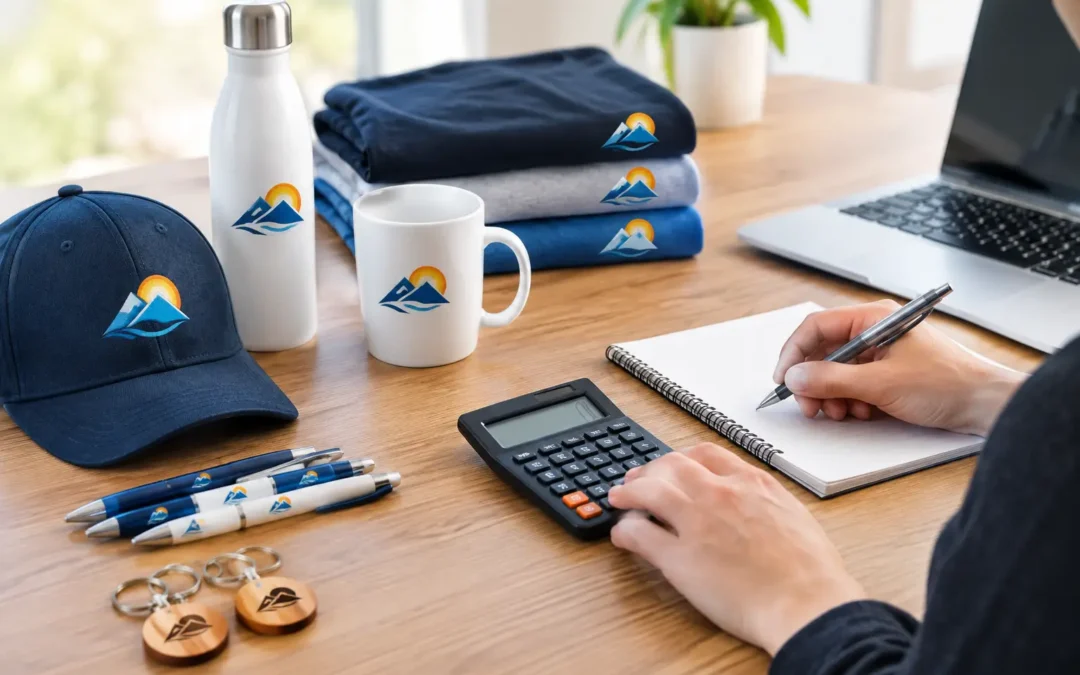
A branded glass, stubby holder or event pack can look straightforward on a purchase order. The budget becomes less straightforward when quantities change, artwork needs adjustment, freight is added and the delivery date cannot move. Knowing how to plan merchandise budgets means allowing for the full cost of putting a consistent, usable branded product into customers’, guests’ or staff members’ hands – not simply choosing the lowest unit price.
For Australian businesses buying in volume, a sound merchandise budget protects both presentation and procurement. It helps marketing teams make decisions earlier, gives finance clearer numbers and reduces the risk of last-minute substitutions before a campaign, venue opening or major event.
Start with the job the merchandise must do
Budgeting starts with purpose, not product. A brewery supplying branded pint glasses for ongoing venue use has a different requirement from a company ordering giveaway bottles for a three-day trade show. Both may need strong brand visibility, but expected lifespan, audience, quantity and replenishment needs are different.
Define where the item will be used, who will receive it and what action it should support. Is it a staff uniform addition, a purchase incentive, an event credential pack, a hospitality service item or a premium client gift? This clarifies whether your budget should favour broad reach, durability, perceived value or repeat use.
A practical promotional item used every week can justify a higher per-unit allowance than a short-term handout. Conversely, paying for premium decoration on an item likely to be discarded after one event may not be the best use of campaign funds. The right decision depends on the role of the merchandise and the visibility you expect it to deliver.
Build the budget from landed cost, not unit price
The product price is only one part of a bulk merchandise order. A useful budget accounts for the landed cost: the total amount required to produce and deliver the finished goods where they are needed.
For each proposed item, allow for the base product, branding or decoration, artwork preparation where required, setup charges, packaging, freight and GST. If goods are being delivered to multiple offices, venues or event locations, factor in the cost and coordination of split deliveries as well. For some orders, storage or staged fulfilment may also be relevant.
This is particularly important for drinkware and glassware. A low product price may not represent the final cost once screen printing, laser etching, individual packaging or specialist freight is included. Glassware also needs appropriate protection in transit, especially for regional deliveries or high-volume event orders.
Ask suppliers to quote on the same basis when comparing options. One quote may include a one-colour print and delivery, while another may show product supply only. Comparing these as if they are like for like can make a cheaper-looking option more expensive by the time the order is complete.
Separate one-off costs from repeat costs
Setup, screen, artwork and tooling charges can affect the first order more than later repeat runs. Record these separately from ongoing per-unit costs. That gives procurement teams a more accurate view of the cost of a campaign launch versus the cost of replenishment.
For a club, venue or brewery with regular branded merchandise requirements, this distinction supports better annual planning. It may make commercial sense to approve artwork and setup once, then schedule volume orders around stock levels, seasonal events or promotional activity.
Set quantities using demand, contingency and price breaks
The quantity decision is where budgeting and operational planning meet. Ordering too little can result in a costly urgent reprint or an inconsistent replacement product. Ordering too much ties up cash, takes up storage space and may leave you with dated campaign stock.
Start with expected demand. For an event, use confirmed attendance, staff requirements, sponsor obligations and a realistic allowance for walk-ups or replacements. For ongoing hospitality stock, review prior consumption, breakage, new venue openings and peak periods such as Christmas, festival season or major sporting fixtures.
Then add a sensible contingency. The exact percentage varies. A tightly controlled corporate conference may need only a modest buffer, while a public activation with uncertain foot traffic may require more. Fragile products, including branded glassware, can also warrant additional units to cover breakages during service or transport.
Volume price breaks should influence the conversation, but should not automatically dictate the order size. If moving from 500 to 1,000 units lowers the unit cost, compare the total spend, storage requirement and expected rate of use. The lower unit price only delivers value if the additional stock will be used while the branding, product and campaign remain relevant.
Choose a product and branding method that suit the budget
A strong merchandise budget gives the supplier enough direction to recommend products that fit the brief. Share the target quantity, intended use, brand standards, delivery deadline and an indicative budget range. This avoids spending time reviewing options that are unsuitable on price, production method or lead time.
Material and decoration choices have a direct impact on cost and perceived quality. Plastic drinkware may suit a large outdoor event where safety and scale are priorities. Printed glassware can offer a more polished hospitality presentation. Laser etching can provide a durable, refined finish on suitable drinkware, while screen printing may be the more cost-effective choice for bold artwork and larger runs.
There is no universally best option. Fine detail, multiple print colours, wraparound artwork and metallic finishes can add cost or limit available products. Simplifying the design or using a single, well-chosen brand colour may protect the budget without weakening recognition. The key is to make those choices intentionally, rather than discovering the cost impact after artwork has been approved.
Protect the visible elements first
When budgets tighten, preserve the details customers and guests will notice most: product usefulness, logo legibility and finish quality. Reducing an unnecessary secondary print location, changing packaging or consolidating delivery points may be preferable to choosing an item that feels disposable or presents the logo poorly.
Request an artwork proof before production and check it against brand guidelines. Confirm logo position, print size, colours, spelling and any mandatory campaign wording. A preventable artwork error is one of the most expensive ways to lose budget and time.
Plan around production and delivery dates
A merchandise budget must reflect the timeline. Standard production may suit a planned annual order, but an urgent event requirement can narrow product options, increase freight costs or require a different decoration method. The earlier the order is specified and approved, the more control you retain over both price and product choice.
Work backwards from the date stock must be on site, not the event date alone. Allow time for quote approval, artwork sign-off, production, quality checks, freight and receiving the goods. If stock needs to be distributed to multiple venues, build in time for that final step too.
For time-critical orders, identify what is fixed and what is flexible. If the event date and brand treatment are non-negotiable, you may need to adjust the product range or quantity. If the product itself is essential, ordering earlier or using available stock may be the better answer. Clear priorities help suppliers provide practical alternatives rather than vague estimates.
Create a simple approval framework
A merchandise budget works best when it is easy to review. Use a purchase worksheet or internal approval document that shows the purpose, product, quantity, unit cost, branding cost, setup charges, freight, GST, total spend, delivery date and responsible approver.
For larger campaigns, include a cost-per-recipient figure and an expected usage period. These numbers help compare a premium item used repeatedly with a lower-cost item distributed once. They also give finance and marketing teams a common basis for deciding where extra investment is justified.
Keep a record after the order is complete. Note actual quantity used, breakage, timing, freight outcome and feedback from staff or customers. Over time, this becomes more valuable than relying on assumptions. It reveals which products are reordered, which decoration methods hold up in real use and where stock levels can be improved.
Make supplier input part of the planning process
A capable wholesale supplier should be involved before the budget is locked in, particularly for custom drinkware, glassware, display materials or event merchandise. Product availability, print area, packaging requirements and production lead times can all change the most practical recommendation.
ABC2000 works with business buyers on bulk branded orders where these details matter, from selecting suitable products through to artwork handling, custom branding and Australia-wide delivery. Providing a clear brief early gives the team the best opportunity to match the order to your budget and deadline.
The most effective merchandise budgets are not built around a single attractive unit price. They are built around a clear purpose, realistic quantities, completed branding costs and enough time to produce the finished result properly. Start those decisions early, and your merchandise can arrive ready to represent the business exactly as intended.