
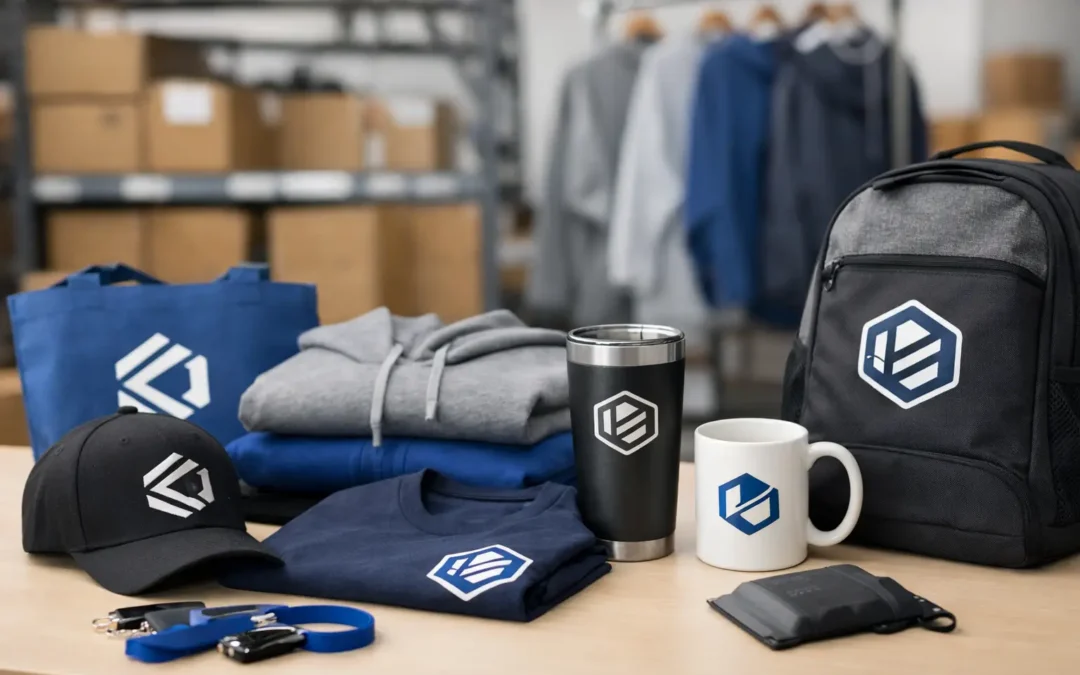
A branded tumbler arriving after an event, a logo printed too small to read, or cartons of unused giveaway items can turn a well-funded campaign into wasted spend. A practical guide to wholesale merch procurement helps avoid those issues by treating promotional products as a production project, not a last-minute purchase.
For Australian businesses, venues and event teams, the right approach comes down to four things: choosing merchandise people will use, matching branding to the product, allowing for production and freight, and buying enough volume to achieve sensible unit pricing without creating dead stock. The details vary between a brewery ordering branded glassware, a club refreshing its barware, and a marketing team planning a national promotion. The procurement discipline stays the same.
Start with the job the merchandise needs to do
Do not begin with a product catalogue. Begin with the purpose of the order. Is the merchandise intended to generate leads, support a product launch, improve venue presentation, reward staff, sell at an event or provide practical hospitality stock? The answer affects product choice, quantity, branding method and budget.
A reusable drink bottle may be a strong fit for a corporate wellness campaign, while branded pint glasses or stemless wine glasses are more useful for a venue, brewery or cellar door. For a high-attendance event, durable, easy-to-carry items such as cups, caps, tote bags or stubby holders may offer better value than premium giftware. A higher unit cost is justified when the item has a longer working life or needs to reflect a premium brand position.
It also helps to define how success will be measured. For a giveaway, that may be reach and retention. For hospitality, it may be a consistent branded experience across service. For a sales team, it may be a useful leave-behind that keeps the brand visible after a meeting. Clear criteria make supplier conversations faster and prevent products being selected purely because they look good on screen.
Build a procurement brief before requesting pricing
A useful brief removes assumptions. It gives your supplier enough information to recommend suitable products, identify production risks and quote accurately from the start.
Include the required quantity, delivery postcode, in-hands date, intended use, preferred product type, brand colours, logo files and budget range. If the order is for an event, confirm whether items need individual packing, carton labelling, staged delivery or delivery to a venue with restricted receiving hours. These operational details can affect both cost and timing.
Your in-hands date matters more than the date you plan to place the order. Work backwards from when stock must physically be available, allowing time for artwork approval, pre-production checks, decoration, packing and transport. If the goods are needed for an interstate event, build in additional freight contingency. Tight deadlines are sometimes achievable, but they can reduce product options and increase the risk of costly compromises.
Set quantity bands, not one fixed number
Wholesale pricing is usually driven by volume. Ask for pricing at realistic quantity breaks, such as 250, 500 and 1,000 units, where appropriate. The difference in unit cost can be meaningful, particularly once set-up charges and freight are spread across a larger run.
Buying more is not automatically cheaper in the broader sense. Consider storage space, stock turnover and whether the design will remain current. For evergreen hospitality items carrying a stable logo, holding extra stock may make commercial sense. For a campaign with a dated message, event logo or short-term sponsorship, order closer to confirmed demand.
Choose products for use, not novelty
The best branded merchandise earns repeat exposure because people keep using it. That is why drinkware remains a dependable choice across corporate promotions, venues, clubs and events. It is practical, highly visible and available across a broad range of price points, from promotional cups through to insulated bottles, ceramic mugs and premium branded glassware.
Product suitability should be checked against the real environment. A glass can look excellent in a brewery or bar setting but may not suit an outdoor festival. Vacuum drinkware is useful for commuting and staff gifts, but may be excessive for a high-volume public giveaway. Consider weight, breakage risk, washability, lid type, capacity and whether the item will be carried home.
For hospitality orders, consistency is often more valuable than novelty. Matching glassware, bar accessories, menus, display materials and printed collateral can create a more deliberate visual identity across the customer experience. This is where a total image solution approach can simplify procurement by bringing related branded elements into one managed order.
Check product specifications early
Ask the practical questions before artwork is applied. Confirm dimensions, material, capacity, available colours, packaging, care requirements and any relevant food-contact or product information. If a specific shade is essential, understand that the base product colour and decoration method can affect the final result.
Requesting a sample can be worthwhile for high-volume orders, premium products or applications where feel and finish matter. It is particularly useful for glassware, custom drinkware and products with fine logo detail. A sample costs less than discovering after delivery that the product is not right for your audience.
Match the branding method to the artwork and item
A logo is not a one-size-fits-all print file. The same artwork can perform very differently depending on the product surface, print area and decoration process. Screen printing can suit bold single or multi-colour designs, while digital printing is useful for detailed full-colour artwork. Laser etching delivers a durable, refined finish on compatible drinkware and metal products, but it generally reveals the underlying material rather than reproducing a printed colour.
The right method depends on the item, quantity, artwork complexity and desired finish. Fine lines may need to be thickened. Small type may need to be enlarged. A full-colour logo may require an alternative single-colour version for etching or certain print applications. These are normal production considerations, not a sign that your branding has been compromised.
Provide clean, high-resolution artwork in the requested format and nominate the correct brand colours. Vector files are generally best for logo reproduction because they retain sharp edges at different sizes. Ensure the person approving artwork understands the brand requirements and has authority to sign off. Late changes after approval can affect both turnaround and cost.
Compare quotes on total value, not headline unit price
A low unit price can hide set-up charges, decoration costs, freight, artwork adjustments, packaging or a product that does not meet the required standard. Compare like for like: same product specification, same quantity, same branding positions, same decoration method and the same delivery requirement.
Ask suppliers to clearly identify what is included. For volume procurement, it is also sensible to confirm expected production timing, stock availability and whether the quoted product is a current item or subject to substitution. If stock is limited, an approved alternative should be discussed before production becomes urgent.
Reliability has commercial value. A supplier that can manage product sourcing, branding application, artwork handling, printing, laser etching and delivery reduces the number of handovers your team needs to coordinate. ABC2000 supports this kind of bulk order workflow for businesses that need branded merchandise and related presentation materials supplied with practical production oversight.
Manage approvals as a production checkpoint
Artwork approval is the point where the order moves from planning into production. Review the proof carefully for logo placement, size, colours, spelling, orientation and product selection. Check that the product description, quantity and decoration locations align with your purchase order.
Do not approve a proof based only on the logo itself. Look at the relationship between the artwork and the product. A logo can be technically correct yet appear undersized on a large bottle, too close to an edge, or difficult to read against a dark surface. If the item will be seen from a distance, such as event cups or display materials, prioritise clear recognition over excessive design detail.
Internal approval processes should be planned early. Marketing may own the brand files, procurement may issue the order, and an event manager may own the delivery deadline. Nominate one decision-maker to consolidate feedback. Multiple uncoordinated approvers are a common cause of avoidable production delays.
Plan delivery, storage and repeat supply
Delivery is part of the procurement decision, especially for bulky drinkware and event quantities. Confirm the delivery location can receive cartons safely and that someone will be available during business hours. For venues and event sites, check loading dock access, booking requirements and any restrictions on carton deliveries.
Once the order has arrived, inspect a representative sample before distributing stock. Check quantity, print quality and product condition, then retain spare units for replacements, photography or urgent event needs. Keeping an approved artwork record, product specification and previous order quantities also makes repeat purchasing much quicker.
For ongoing programs, standardise a core range rather than changing every order. A reliable set of branded drinkware, glassware, promotional products and printed materials makes budgets easier to forecast, maintains brand consistency and allows reorders to move with fewer decisions.
The strongest merchandise orders are rarely the most complicated. They are the ones planned early, specified clearly and produced for a genuine use case. Give your supplier a complete brief, allow enough time for proper approvals, and choose products your audience will want to keep using long after the campaign or event has finished.