
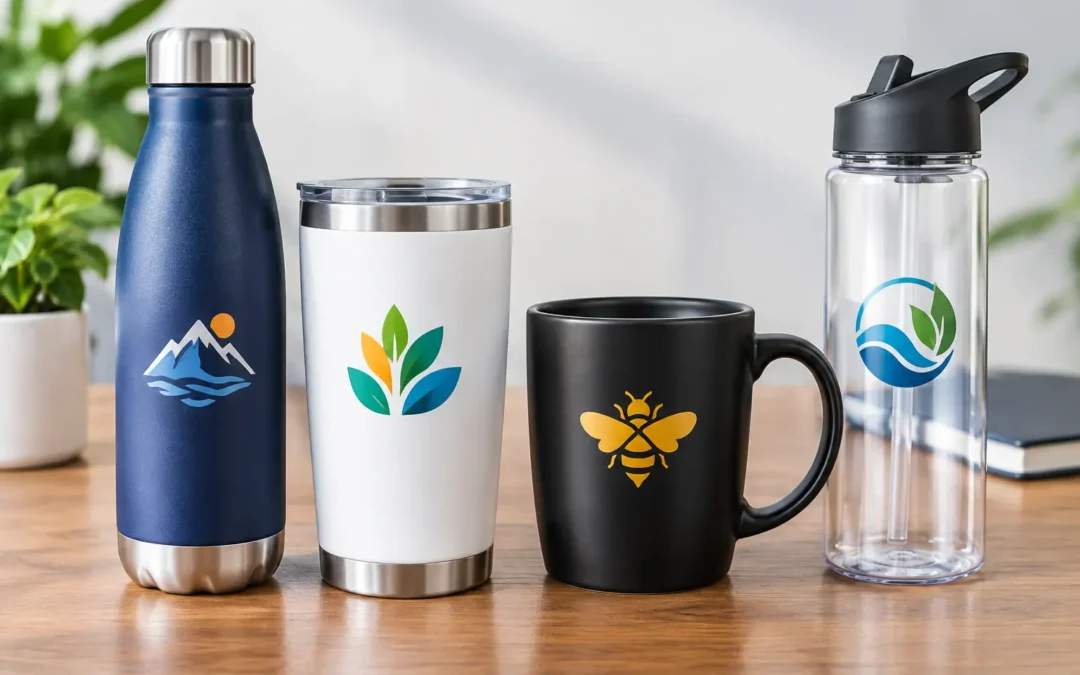
A logo can look excellent when a carton is opened, then disappoint after a few busy services, commercial washes or trips through the office dishwasher. When buyers ask what branding method lasts longest, the practical answer is that it depends on the item, the material, how it will be used and what “longest” needs to mean for your campaign or operation.
For high-volume drinkware and promotional merchandise, the best result comes from matching the decoration method to the product before production begins. A low-cost print may suit a short event activation. A hospitality venue, brewery or corporate gifting programme that expects repeat use needs a finish built for much harder wear.
What branding method lasts longest for drinkware?
For stainless steel, aluminium and many coated metal drinkware products, laser etching is generally the longest-lasting branding option. Rather than placing ink on the surface, the laser removes or alters the top layer to reveal a permanent design. There is no printed layer to peel, crack or wear away through normal handling.
Laser etching is particularly effective on reusable bottles, travel mugs, tumblers, bar tools and metal promotional items. It gives a clean, premium appearance that works well for corporate merchandise, staff gear, club products and branded hospitality drinkware. On powder-coated bottles, the contrast can be especially sharp, as the laser exposes the metal beneath the coloured coating.
That said, laser etching is not the automatic answer for every product. It is usually limited to a single etched colour or the natural contrast created by the product surface. If your artwork relies on multiple brand colours, fine gradients or photographic detail, a printed process may better represent your brand.
For glassware and ceramic drinkware, fired decoration methods are usually the strongest choice. Screen printing with inks cured at high temperature creates a finish designed to stand up to regular use and washing. The durability depends on the glass or ceramic item, the ink system, the curing process and the care conditions, but a properly specified and produced fired print is a reliable option for bars, cafés, breweries, clubs and venues.
Durability is more than the branding method
The decoration process matters, but it is only one part of the durability equation. The base product, artwork, print area and expected handling all affect how the branding will perform over time.
A double-wall powder-coated bottle used by office staff may only face hand washing and everyday transport. A branded pint glass in a busy venue may be washed repeatedly in commercial glasswashers, stacked, knocked together and handled by hundreds of customers. Those are very different operating conditions, even if both products carry the same logo.
Before selecting a method, consider where the item will be used, how frequently it will be washed and whether it needs to survive commercial dishwasher cycles. Also consider exposure to heat, sunscreen, ice buckets, alcohol, abrasion and repeated stacking. These details help determine whether a print finish is suitable or whether permanent etching is the smarter investment.
Artwork also has a role. Fine reversed text and very small details can be difficult to reproduce consistently on curved drinkware. A simple, well-prepared logo often produces a stronger, more durable-looking result than artwork that pushes the limits of the print area. For bulk orders, approving artwork and a clear production specification early helps avoid surprises once the job is underway.
How common branding methods compare
| Branding method | Best suited to | Expected wear performance | Main consideration | |—|—|—|—| | Laser etching | Metal bottles, tumblers, mugs and barware | Excellent for normal long-term use | Usually a single etched finish rather than full colour | | Fired screen printing | Glassware and ceramic mugs | Excellent when correctly cured and cared for | Best for bold artwork and planned print positions | | Screen printing | Drink bottles, cups, bags and promotional items | Strong for solid-colour designs with suitable inks | Performance varies by substrate and wash conditions | | Pad printing | Curved, small or irregular items | Good for appropriate promotional use | Less suited to high-abrasion or intensive commercial washing | | Digital printing | Full-colour graphics and detailed artwork | Varies by product coating and print process | Confirm suitability for the intended handling and washing |
Screen printing remains one of the most practical choices for bulk promotional merchandise. It is efficient for bold logos, solid brand colours and repeatable designs, particularly when the order quantity is high. On suitable products, with the correct inks and curing, it provides a professional finish at a cost that works for campaigns, events and ongoing merchandise supply.
Pad printing is useful where the print area is small, curved or otherwise difficult for a flat screen process. It is often used on promotional items such as pens, tools, accessories and selected drinkware. It can deliver crisp logo detail, but it is important to be realistic about the item’s purpose. A giveaway intended for occasional use has different durability requirements from a premium reusable vessel used every day.
Digital printing gives buyers flexibility for complex, full-colour artwork. It can be the right choice for branded products featuring illustrations, colour transitions or multiple logo colours that would be impractical as separate screen print layers. However, digital decoration should be chosen with the product’s coating and end use in mind. Ask whether the finish is suitable for hand washing, dishwasher use or high-contact environments before committing to a large run.
Choose for the job, not just the unit price
The least expensive decoration method is not always the best value. If a venue needs 2,000 branded glasses for regular service, replacing them early because the print no longer presents well can cost more than selecting a stronger process from the outset. The same applies to premium corporate merchandise. A durable branded bottle can remain in daily use for years, giving the logo repeated exposure long after the initial campaign has finished.
On the other hand, it makes little commercial sense to specify a premium permanent finish for every item. Short-term festivals, one-off launches and large-scale sampling campaigns often need a cost-effective product that looks sharp for the duration of the event. The right decision balances expected lifespan, presentation standard, budget and order volume.
A useful way to approach procurement is to identify the product’s service life first. Will it be used once, for a season, across a full hospitality year or as long-term merchandise? From there, the branding method becomes easier to specify. This approach also supports more accurate quotes because the product, decoration and artwork requirements are clear from the beginning.
Questions to settle before approving production
For a reliable bulk order, clarify the intended use with your supplier before artwork is applied. Confirm whether the product will be hand washed or commercially washed, whether it needs full-colour reproduction, and whether an etched finish is acceptable for the brand. It is also worth checking the maximum print size, print positions and any limitations created by handles, seams, tapered walls or textured surfaces.
Requesting a product and decoration recommendation is particularly helpful when ordering a new drinkware line or preparing for a deadline-driven event. An experienced supplier can flag issues such as artwork that is too fine for the method, colours that may not reproduce cleanly, or products that are unsuitable for the planned wash environment. That practical advice is often what protects both the finished look and the delivery schedule.
For brands needing dependable supply across drinkware, glassware, event merchandise and promotional products, ABC2000 can help match the item and decoration process to the demands of the order. The aim is not simply to put a logo on a product, but to deliver branded merchandise that continues to represent the business properly once it is in customers’ hands.
The longest-lasting branding method is the one specified for the real conditions the product will face. Choose laser etching for lasting metal drinkware branding, use properly cured decoration where glassware and ceramic items demand it, and select print methods that fit the product’s purpose rather than making durability an afterthought.