
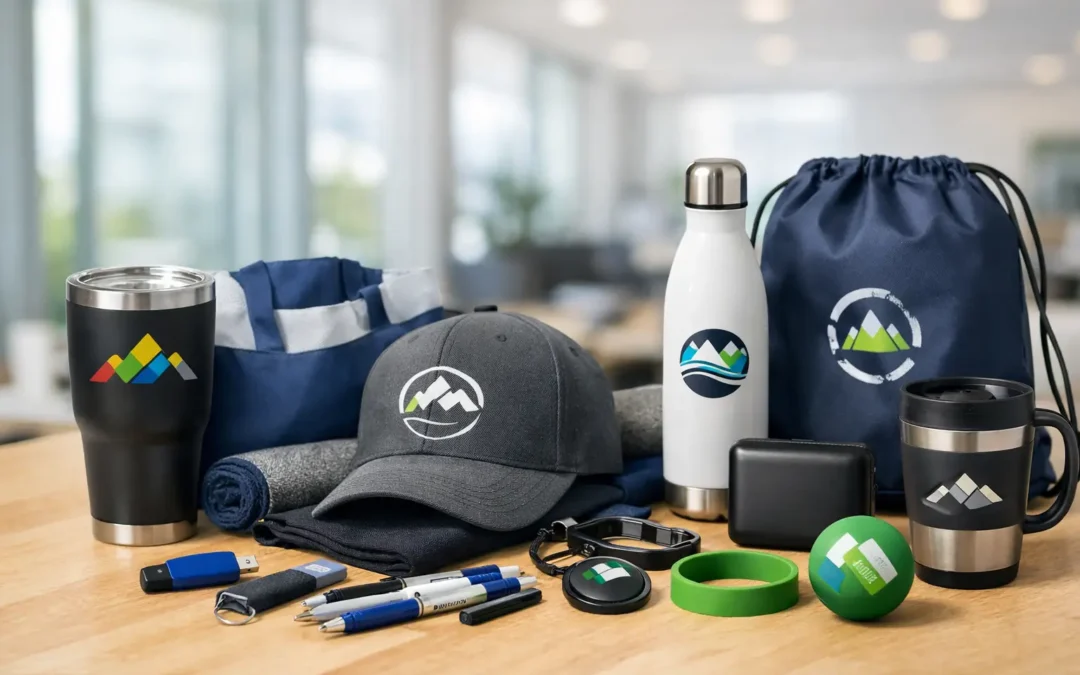
A carton of bulk promotional products is not a marketing strategy on its own. The value comes from choosing merchandise people will actually keep, use and associate with your business long after the event, campaign or sale has finished. For Australian businesses buying at volume, the right product also needs to meet practical requirements: a workable unit price, dependable branding quality, realistic production timing and delivery where it is needed.
A branded pen can still have a place at a conference desk, but it will not solve every brief. A hospitality venue may get more value from branded glassware that stays in service for years. A brewery might need durable reusable cups for a seasonal activation. A corporate team preparing for a national event may need thousands of consistent items delivered to multiple locations. The product decision should begin with the job it needs to do.
Start With the Purpose of Your Bulk Promotional Products
The most effective bulk order is usually the most useful one. Before comparing products, establish who will receive them, where they will use them and what you need the item to achieve. Is the purpose to create a takeaway from an event, support point-of-sale presentation, reward staff, improve a venue’s branded serviceware or keep your name visible in a customer’s everyday routine?
This changes the product shortlist quickly. For a trade show with high foot traffic, compact and easy-to-carry merchandise makes sense. For a premium client event, a well-finished drink bottle, glass or bar accessory may better reflect the occasion. For clubs, pubs and sporting venues, products that work behind the bar or on tables can become part of the customer experience rather than a one-day giveaway.
There is also a difference between reach and retention. Lower-cost items can put your branding in many hands, which suits launches, community days and mass campaigns. Higher perceived-value products generally reach fewer people for the same budget, but can remain in use longer. Neither option is automatically better. It depends on whether your priority is immediate distribution, repeat visibility or a more considered brand impression.
Choose items with a natural fit
Promotional merchandise performs best when it belongs in the setting where it is received. Keepcups and water bottles suit workplaces, fitness events and outdoor activations. Branded glassware makes sense for breweries, restaurants, clubs and functions. Stubby holders remain a practical Australian choice for outdoor events, festivals and hospitality promotions. Tote bags, notebooks and lanyards can earn their place at conferences where guests need something useful during the day.
Avoid choosing an item purely because it is inexpensive. An unused product is not a bargain, even when the unit price looks attractive. A slightly better product, selected for the audience and presented properly, can deliver more exposure and less waste.
Build the Budget Around the Full Job
When ordering promotional products in volume, unit cost matters, but it is only one part of the purchasing decision. The final cost can be influenced by product material, quantity breaks, branding method, number of print colours, print positions, artwork preparation, packaging and freight. A clear brief at the beginning helps suppliers quote accurately and prevents late changes that can affect both cost and schedule.
Quantity is often where buyers can gain the strongest value. Wholesale pricing generally improves as volume rises, particularly when the same product and branding specification are repeated across a larger order. However, ordering excess stock simply to reach a price break can tie up budget and storage space. Consider expected usage over a realistic period, whether the campaign has a fixed end date and whether the artwork is likely to change.
For repeat-use items such as branded glassware, uniforms-adjacent accessories or venue merchandise, planning a supply buffer can be sensible. For dated event merchandise, a tighter quantity is usually safer. A supplier experienced in commercial orders can help identify where a larger run is worthwhile and where it creates unnecessary risk.
Keep branding clear, not crowded
The branding method should suit both the product and the artwork. Screen printing can be effective for bold, simple logos across larger quantities. Digital printing can suit detailed artwork or colour-heavy designs on compatible products. Pad printing is commonly used for smaller curved areas, while laser etching creates a durable, refined finish on selected drinkware and metal items.
Each method has limits. Fine text may not reproduce well at a small size. A full-colour design may need a different product or print process than a one-colour logo. Curved surfaces can affect the available print area, and transparent or dark materials may change how colours appear. These are production details, but they have a direct impact on how professional your finished merchandise looks.
Provide the best available logo file early, preferably vector artwork where possible. Confirm brand colours, print positions and the final artwork proof before production begins. It is much easier to correct spacing, sizing or a colour callout on a proof than after hundreds of products have been branded.
Plan Production Timing Before the Event Date
The deadline that matters is not the event date. It is the date your stock must be received, checked and ready for distribution. Build in time for product selection, quotation approval, artwork preparation, proofing, production, freight and any internal packing or allocation required at your end.
Custom branding is a production process, not a shelf-ready retail purchase. Stock availability can change, and some products or decoration methods require longer lead times than others. Seasonal demand also matters. The weeks leading into Christmas, major trade events and large sporting or festival periods can place extra pressure on production schedules and freight networks.
If your date is fixed, state it at the first enquiry. This allows the supplier to recommend products and branding options that fit the available timeframe rather than presenting options that look good on paper but cannot be completed in time. Where delivery is required across several states, confirm whether stock needs to be split, labelled or sent to different recipients. That level of planning is particularly valuable for national campaigns and multi-site hospitality groups.
Match Product Quality to Brand Positioning
Your merchandise becomes a physical representation of your business. That does not mean every item must be premium, but the quality should make sense for the brand promise. A luxury venue giving away a flimsy item sends a mixed message. Equally, a community event does not always need expensive merchandise when a practical, well-branded giveaway will do the job.
Assess products in terms of finish, durability and use. Does a drink bottle lid feel secure? Is the glassware suitable for commercial service? Will the print hold up under regular handling? Is the item easy for staff to distribute and for recipients to take home? Samples can be worthwhile for larger orders, especially where colour matching, material feel or drinkware quality will influence the final choice.
For hospitality operators, branded glassware and drinkware deserve particular attention. The item needs to look right on the table or bar, fit the beverage being served and handle regular use. A well-selected glass can reinforce a venue, brewery or beverage brand every time it is picked up, photographed or shared across a table.
Make Ordering Easier for the Next Campaign
A successful bulk order should not create more work than it saves. Keep approved artwork, product specifications, branding details and order history organised. This makes reorders faster and helps maintain consistency when another venue, branch or event team needs the same item later.
It is also worth creating a simple internal approval process. Nominate who signs off product choice, artwork and quantities, then ensure all stakeholders see the final proof. This prevents last-minute feedback from changing a production-ready job and protects the deadline.
ABC2000 supports businesses that need a practical, full-service approach to high-volume branded merchandise, from product sourcing and artwork handling through to printing, laser etching and Australia-wide delivery. The benefit of working with a trade-focused supplier is not just access to products. It is having production considerations addressed before they become delays.
The best merchandise order is one that arrives on time, looks right in the hands of its audience and continues to earn attention after the original campaign has passed. Start with the use case, be clear about the deadline, and select a product your recipients will be glad to keep.