
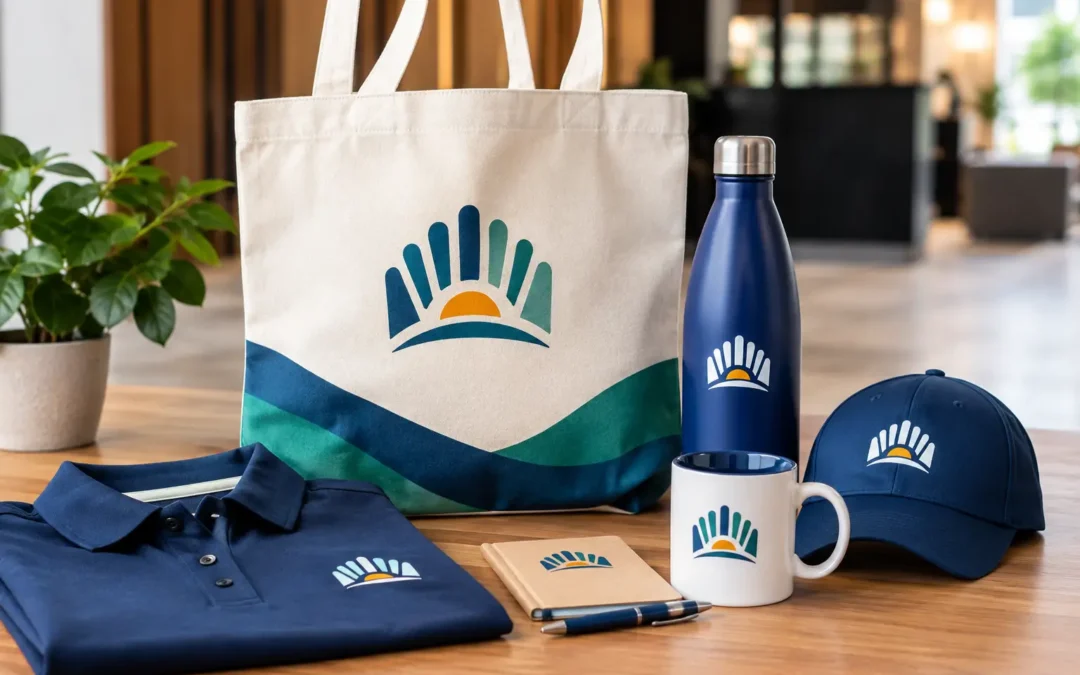
A venue rebrand is highly visible long before a customer reads a new menu or sees a social post. The glass in their hand, the staff apron at the bar and the takeaway cup leaving the venue all carry the new identity into the real world. This venue rebrand merchandise case study examines how a hospitality operator can manage that changeover without ending up with mismatched stock, missed launch dates or costly leftover product.
The scenario below is representative of the planning work required for a venue rebrand, rather than a claim about one named client. It reflects the practical questions venue groups, clubs, breweries and hospitality operators face when ordering branded merchandise in volume.
The venue rebrand merchandise case study brief
A busy Australian venue was updating its name, visual identity and customer experience ahead of a seasonal relaunch. The new brand needed to feel more premium, but it also had to work across a high-turnover operation. The merchandise requirement was not limited to a small run of promotional items. It covered operational drinkware, staff-facing products, customer retail stock and launch-event merchandise.
The procurement team had three priorities: maintain service during the transition, achieve a consistent finish across different product types, and keep the order commercially sensible. Ordering every possible item in the first production run would have tied up budget and storage space. Ordering too little would have created a second rush order just as the venue opened under its new name.
The solution was to separate products into two groups. Everyday operational items needed enough volume to support service from day one. Promotional and retail pieces could be ordered in a more controlled quantity, based on expected demand and available budget.
This distinction matters. A branded schooner glass used every night has a different replacement cycle to a limited-edition launch tee or a batch of stubby holders for a ticketed event. Treating all merchandise as one stock category usually makes ordering less accurate.
Start with an honest stock audit
Before artwork was applied to a single item, the venue reviewed what was already in circulation. That included branded glassware behind the bar, unbranded back-up stock, uniforms, menus, point-of-sale displays, takeaway packaging and event collateral.
The purpose was not simply to identify products bearing the old logo. It was to decide what could remain in use during the transition, what had to disappear before launch, and what needed to be reordered first. Plain glassware, for example, could continue as back-up service stock. Old branded pint glasses could not be displayed prominently once the new signage was installed.
A practical audit also considers breakage, washing losses and storage. Hospitality buyers sometimes order to the exact number of seats or table settings, then discover that a venue needs far more glassware to cover busy trade, dishwashing turnaround and breakages. The right quantity depends on the service model, trading volume and the type of product. A late-night bar, a brewery taproom and a registered club will all have different requirements.
For this case study, the immediate production priorities were branded beer glasses, wine glasses, reusable cups, staff aprons and a small range of retail drinkware. That order gave the new brand visibility at the main customer touchpoints while keeping the first run focused on products the venue would genuinely use.
Choose merchandise around the operation
A successful rebrand order should not be built around novelty alone. Products need to suit how the venue trades. In hospitality, drinkware is often the strongest place to begin because it is used repeatedly, photographed often and seen at the point of service.
For beer service, the venue selected glass shapes appropriate to its drinks list and bar presentation. A branded beer glass can reinforce a brewery partnership or house-pour programme, but only if the branding remains clear after frequent washing and regular handling. For wine, a refined laser-etched mark may suit the new positioning better than a large printed graphic. The choice depends on the artwork, glass shape and the intended finish.
Reusable cups were included for outdoor functions and high-volume events. They offered a practical alternative where glass was unsuitable, while giving the venue a branded item that could travel beyond the premises. Retail tumblers and bottles were kept to a smaller initial quantity. They supported the launch campaign without assuming every customer would buy branded merchandise immediately.
Staff gear was treated as part of the same visual system. Aprons, caps and tees helped the front-of-house team present the new identity consistently. However, staff apparel needs a different ordering calculation to bar stock. Allow for sizing, new starters, laundering and replacements. A single garment allocation may look economical on paper but can create an untidy presentation within weeks.
Match the branding method to the product
The logo file alone does not determine the outcome. The product material, print area, artwork detail and expected use all affect the most suitable branding method.
Laser etching works particularly well on many metal drinkware products and selected glassware applications, creating a permanent, understated finish. Screen printing can provide strong colour coverage on suitable items, while digital print may be better for more detailed artwork or multi-colour designs. Each method has limitations around fine lines, colour matching and placement, so artwork approval should happen before production is scheduled.
In this example, the venue simplified its application rules. The primary logo appeared in one consistent position across operational drinkware. The retail range allowed for a secondary graphic treatment, giving customers something distinct without fragmenting the brand. That decision made the order easier to proof, easier to replenish and more coherent on the bar.
A common mistake is to apply every element of a brand guide to every item. A logo, tagline, pattern and social handle may fit on a poster, but they can become cluttered on a small glass or bottle. Merchandise benefits from restraint. Clear branding that can be recognised from a few metres away generally works harder than a crowded design.
Build the production schedule backwards from launch
The launch date should not be the date merchandise arrives. It should be the date stock is checked, packed away, staff are briefed and the venue is ready to trade. Working backwards allows time for artwork preparation, product confirmation, branding proofs, production, freight and a contingency period.
For a rebrand involving multiple items, approval delays are often the real risk. A change to one logo colour or a late request for a different glass style can affect the full schedule. The venue in this case appointed one internal decision-maker to consolidate feedback and approve artwork. That prevented a string of conflicting changes from marketing, operations and management.
It is also sensible to prioritise critical-path products. If the launch cannot proceed properly without branded glassware or staff uniforms, those items should be approved and placed first. Optional promotional stock can follow if the timeline is tight. A supplier such as ABC2000 can assist with product selection, artwork handling and bulk production planning, but timely client approvals remain essential.
Measure the rebrand beyond the first night
The strongest result was not simply that the new merchandise arrived for launch. The venue created a repeatable ordering structure for future stock. Core glassware had set reorder quantities, retail items were reviewed against sales, and approved artwork was retained for consistent replenishment.
The team also watched how customers interacted with the products. Were the reusable cups returning for refills? Did retail drinkware sell after events? Were staff finding the new uniforms practical for long shifts? These operational observations are more useful than choosing products purely because they look good in a launch photo.
There were trade-offs. A larger initial glassware run provided better unit pricing and reduced the chance of a shortfall, but required more storage and upfront spend. The venue accepted that trade-off for high-use items, while keeping the retail range tighter until demand was proven.
What venue buyers can take from this approach
Rebrands work best when merchandise is planned as operational stock, brand collateral and future replenishment at the same time. Start with the products customers and staff will touch most often. Confirm quantities based on actual trade conditions, not just capacity. Keep artwork clear, select branding methods suited to the material, and leave enough time for approvals before production begins.
Most importantly, do not wait until signage is installed to think about merchandise. By then, the pressure is on and choices become narrower. A clear product plan prepared early gives the new venue identity the consistency it needs from the first pour, first service and first customer photo.