
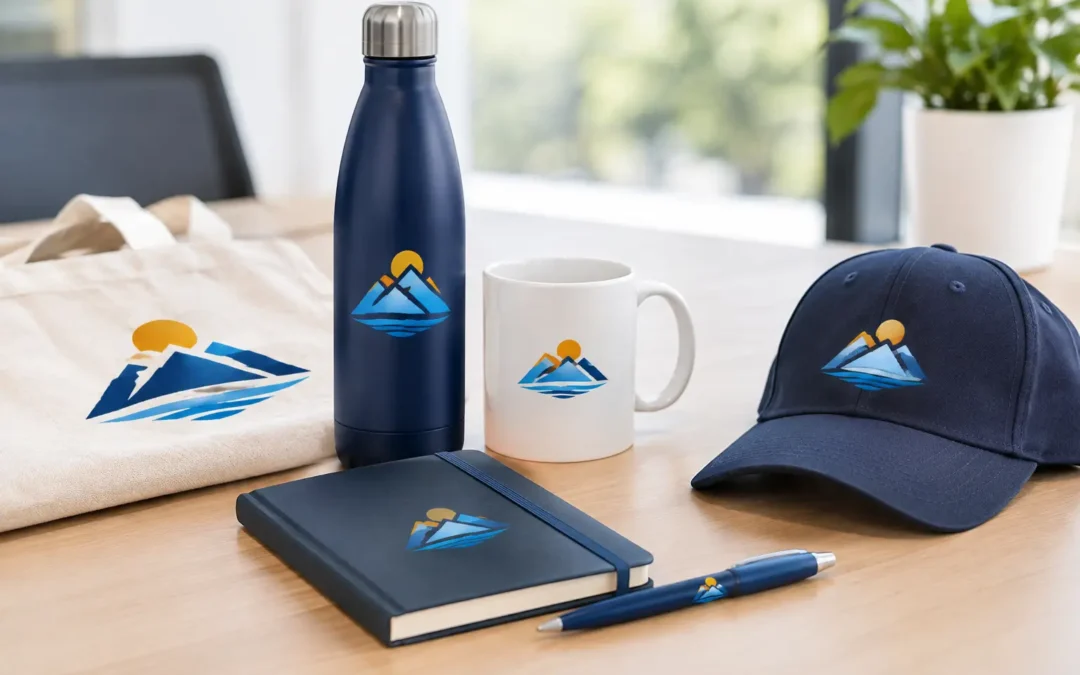
Corporate merchandise earns its place when people actually use it. A well-chosen branded bottle at a conference, printed glassware behind a bar or quality apparel for a venue team keeps a business visible long after an event, meeting or campaign has finished. For Australian organisations buying in volume, the task is not simply adding a logo to an item. It is selecting products that suit the audience, withstand regular use and arrive on time.
Start Corporate Merchandise With a Clear Job
The most effective merchandise has a defined purpose before product selection begins. A hospitality venue may need branded glassware that supports a premium serve and stands up to commercial washing. A brewery may be building a retail range around branded pint glasses, caps and drink bottles. An event organiser may need practical giveaway items that are easy to distribute quickly across a large crowd.
This distinction matters because the cheapest item is not always the best-value item. If it feels disposable, is awkward to carry or does not suit the recipient, it is unlikely to deliver useful brand exposure. On the other hand, an item with a genuine role in someone’s workday, commute, gym bag or home bar can continue representing the brand for months or years.
Think about where the item will be used, who will receive it and what you need it to achieve. Is the priority staff presentation, customer retention, retail sales, lead generation or event visibility? Those answers narrow the range quickly and make budget decisions more practical.
Match the Product to the Moment
Drinkware remains a strong option because it combines high usefulness with a generous decoration area. Custom bottles, travel mugs, tumblers, ceramic mugs and branded glassware can work across corporate gifting, hospitality operations, clubs, sports promotions and event packs. The right choice depends on the setting. A laser-etched insulated bottle may suit an executive gift or staff reward, while printed plastic stadium cups can be more suitable for high-volume festivals and licensed venues.
Other product categories can be equally effective when they fit the application. Tote bags support retail and trade-show distribution. Pens and notebooks are useful for training days and conferences. Apparel helps staff look consistent on the floor, while banners, table throws and display materials make the wider event space recognisably yours. The strongest campaigns often combine a hero item with supporting display and print material rather than relying on one product alone.
Choose Branding That Suits the Product
A logo should not be treated as a file that can be placed anywhere at any size. The product material, print area, artwork detail and expected use all affect which branding method will produce the best result. Screen printing can be a cost-effective choice for bold artwork and larger quantities. Digital printing suits full-colour designs and detailed graphics. Pad printing is commonly used for smaller or curved print areas, while laser etching provides a durable, refined finish on compatible metal drinkware and glassware.
Each method has trade-offs. Fine lines and small type may not reproduce clearly on a textured surface. A full-colour design may need a different production process than a single-colour logo. Metallic drinkware can reveal a contrasting finish when etched, but the artwork must be prepared with that result in mind. A practical supplier should flag these issues before production, not after the goods are decorated.
Keep Artwork Clear and Consistent
Use high-resolution vector artwork wherever possible. Vector files keep logos sharp when resized and make colour separation more accurate. If a logo includes a very small tagline, consider whether it will remain readable at the available print size. Simplifying artwork for smaller items is often a better outcome than forcing every element into a space that cannot support it.
Brand consistency also extends beyond the logo. Confirm approved colours, correct spacing and whether the product should carry a full lock-up, an icon or a campaign-specific message. For organisations ordering repeatedly across multiple locations or events, keeping approved artwork on file can reduce approval time and help maintain a consistent presentation from one order to the next.
Plan Bulk Orders Around Real Deadlines
Production lead time is only one part of the schedule. A reliable merchandise order also needs time for product selection, stock confirmation, artwork preparation, proof approval, branding, packing and delivery. If goods are required for a national roadshow, a venue opening or a fixed event date, work backwards from the date they need to be in hand, not the date they need to leave the supplier.
Quantity affects both pricing and production planning. Larger orders generally provide better unit pricing, but they also require accurate forecasting. Ordering too little can mean a costly repeat run or inconsistent stock later. Ordering too much can tie up budget and storage space. For annual events, regular hospitality supply or ongoing staff requirements, reviewing past usage gives a more dependable starting point than guessing.
It also pays to allow a sensible contingency. Event attendance can exceed expectations, breakages happen in hospitality, and additional staff may be added close to launch. A small buffer is usually less expensive than being short at the point of use.
Ask the Questions That Prevent Delays
Before approving an order, confirm the product specification, decoration position, print colours, artwork proof, quantity breakdown and delivery address. Where an order involves multiple product types, clarify whether everything must arrive together or whether staged delivery is acceptable. This is particularly relevant for large events where display materials may be needed before giveaway products.
For branded glassware and drinkware, confirm practical details such as capacity, material, care instructions and packaging. A glass that looks right for a campaign may not suit a busy bar operation if it is not appropriate for the service environment. Similarly, reusable bottles are a strong choice for sustainability-minded campaigns, but only if the quality encourages recipients to keep using them.
Build Value Beyond the Unit Price
Comparing unit prices is necessary, but it should not be the only measure. A low headline price can become less attractive when artwork setup, decoration limits, freight, split deliveries or replacement orders are considered. The better comparison is total order value: product suitability, branding quality, production reliability and the cost of getting goods where they need to be.
For procurement teams, a supplier that can manage product sourcing, decoration, printing and fulfilment reduces coordination work. For marketing managers, clear proofs and reliable advice reduce the risk of a campaign item arriving with poor logo placement or unsuitable colours. For venue operators, repeatable supply and commercially appropriate products support day-to-day consistency.
ABC2000 works with business buyers who need that practical, bulk-order approach, particularly across custom drinkware, branded glassware, display materials and event merchandise. The aim is to make commercial ordering easier while keeping the finished product aligned with the brand and the deadline.
Make Merchandise Part of the Wider Brand Experience
Corporate merchandise is most useful when it supports the way people already encounter your organisation. At a trade show, that may mean branded bottles paired with a clear stand display and printed collateral. In a brewery or club, it may mean glassware that reinforces the venue identity at every serve. For internal programs, it may mean staff apparel and welcome-pack items that make a new starter feel part of the team from day one.
There is no single best promotional product for every business. The right answer depends on the audience, occasion, order volume, branding requirements and available lead time. Start with the use case, choose a product people will value, and give the artwork and production process the attention they deserve. That is how branded merchandise becomes a reliable part of your business presentation rather than another box of unused giveaways.