
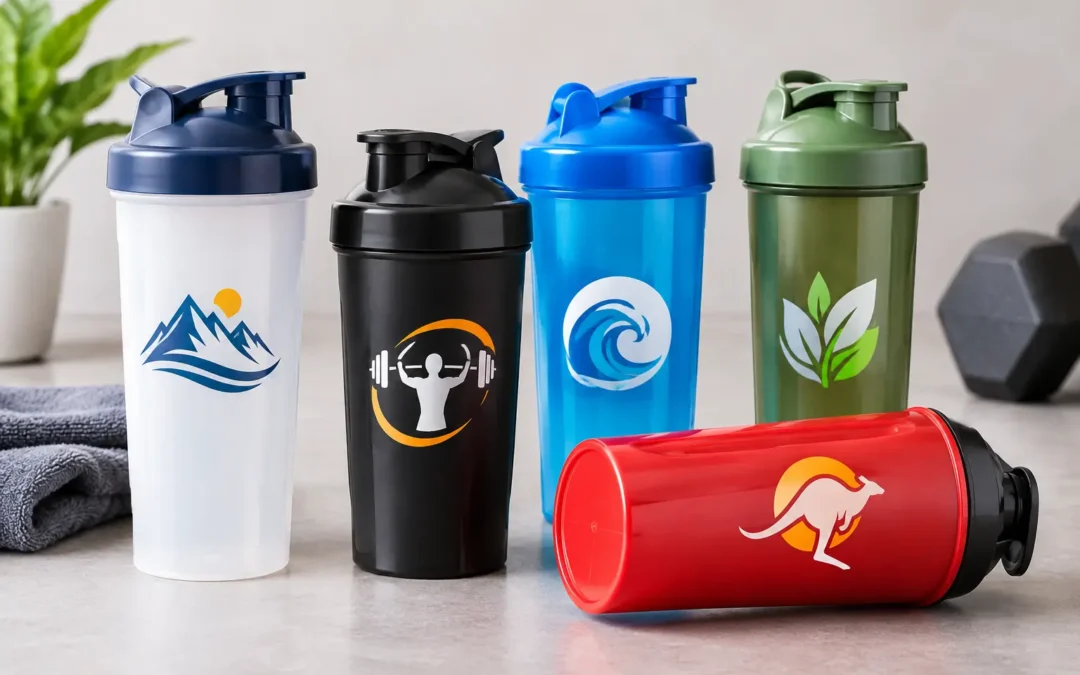
A shaker bottle has to earn its place in a gym bag, on a worksite or behind an event registration desk. If it leaks, traps odour or makes a poor first impression, the branding on it will not rescue the experience. A well-selected branded shaker bottle gives your organisation a useful, repeat-use product that keeps your name in regular view.
For gyms, sports clubs, supplement brands, health campaigns and corporate wellbeing programs, shaker bottles are practical merchandise rather than throwaway promotional items. The right choice comes down to how it will be used, who will receive it and how reliably the finished product can be supplied at volume.
Why a branded shaker bottle works for business
Shaker bottles solve a simple problem: mixing protein powder, meal replacements, electrolytes or pre-workout drinks without carrying extra equipment. That usefulness gives them a longer working life than many event giveaways. A bottle used several times a week can keep a brand visible at the gym, in the office kitchen, on the commute and at sporting sessions.
They are particularly effective where your audience already has a reason to use drinkware. Fitness centres can sell or include them with memberships. Sports clubs can use them in player packs. Employers can add them to wellbeing initiatives, while event organisers can include them in sponsor packs or participant merchandise. Hospitality venues and breweries may also find them suited to active lifestyle activations, provided the product and artwork reflect the campaign.
The commercial advantage is not simply logo exposure. It is the association between your brand and a product that needs to perform. A secure lid, comfortable grip and clear measurement markings all contribute to the perceived quality of the promotion.
Start with the intended use, not the logo
It is easy to begin with bottle colour and printing position. For a bulk order, the better starting point is the environment in which the bottle will be used. A low-cost promotional bottle may suit a one-day fun run where distribution volume matters most. A premium bottle with a mixing ball, stronger lid and better finish may be more appropriate for member gifts, retail stock or staff programs.
Capacity matters as well. Smaller bottles are easy to carry and suit single serves, while larger options are more practical for users mixing bigger shakes or carrying hydration through a long shift. Consider where the bottle will sit between uses. If it needs to fit standard vehicle cup holders, gym bag pockets or office cupboards, its shape is as relevant as its capacity.
Material choice should follow the application. BPA-free plastic is common for promotional shaker bottles because it is lightweight, economical and available in a broad range of colours. Stainless steel options can create a more premium presentation, though they generally require a higher budget and careful consideration of the branding method. A clear or translucent bottle can make measurement markings easier to read, whereas solid colours offer stronger contrast for printed artwork.
Also consider cleaning. Shaker bottles are exposed to thick powders and flavoured drinks, so wide openings, accessible components and dishwasher suitability can influence whether recipients keep using them. A bottle that is awkward to wash is more likely to end up at the back of a cupboard.
Lid and mixing features affect perceived quality
The lid is usually where recipients judge a shaker bottle first. Screw-top, flip-top and sip-cap styles each have a place, but closure quality is critical. For promotional use, buyers should look for a design intended to stay secure during transport rather than assuming every sports bottle lid will handle a shaken drink.
Mixing systems can include an internal ball, mesh screen or agitator insert. These help reduce clumps and improve usability, especially for protein powders. They also add components, which can affect cost, packing and cleaning. For a simple hydration giveaway, a standard drink bottle may be the better procurement choice. For a product intended specifically for shakes, the mixing feature is worth including.
Branding a shaker bottle for a clean finish
The most effective decoration method depends on the bottle material, surface shape, artwork detail and order quantity. Screen printing is a practical option for bold one or two-colour logos and simple campaign messaging. It delivers strong visibility on many plastic bottles and suits bulk promotional orders where consistent reproduction is required.
Pad printing can be useful where the print area is smaller or curved. Full-colour digital options may suit more detailed artwork, gradients or photographic elements, although the available print area and surface finish need to be confirmed before finalising artwork. On selected metal drinkware, laser etching creates a durable, refined mark that works well for premium corporate programs, clubs and branded retail merchandise.
A shaker bottle should not be treated like a flat flyer. Curved surfaces can distort small text, fine lines and detailed logos. Keep the primary branding clear and give it enough room to read at a glance. If your campaign requires a web address, sponsor line or multiple logos, review a production proof before approval to ensure the hierarchy still works on the actual product.
Bottle colour and ink colour need to work together. Dark artwork may disappear on a dark bottle, while white printing can provide strong contrast on black, navy or coloured plastic. Transparent bottles create a different effect again because the contents may show through. An experienced supplier can help match the decoration method and artwork to the product before production begins.
Planning bulk branded shaker bottle orders
Bulk ordering is where early decisions protect your budget and deadline. Unit pricing generally improves at higher quantities, but the best order size is not always the largest possible number. Consider campaign reach, storage space, planned repeat orders and whether the design is evergreen or tied to a dated event.
Timing should include more than manufacturing. Artwork preparation, proof approval, branding production, packing and freight all need to be allowed for. If bottles are required for a conference, season launch or activation, work backwards from the date they must arrive at the venue. Allow extra time if stock needs to be split across Australian locations or packed into individual event kits.
Artwork supplied in clean, production-ready vector format helps avoid delays and preserves logo quality. If the artwork is not ready, it is better to address that before the order is released than to rush a poor-quality file through production. Confirm brand colours, print positions and any packaging requirements in writing as part of the approval process.
For organisations ordering across multiple sites, consistency is as valuable as price. Using the same bottle style, approved artwork and colour specifications helps maintain brand presentation across branches, events and future replenishments. ABC2000 can support this type of practical, repeat-supply approach by coordinating product selection, branding and delivery for commercial-volume orders.
Questions worth confirming before approval
Before placing a purchase order, confirm the final bottle capacity, material, lid style and decoration method. Ask whether measurement markings are included, how the shaker component is supplied, and whether the product is suitable for dishwasher use. These details shape the recipient experience and can prevent avoidable queries after distribution.
You should also confirm the quoted quantity, lead time, delivery destination and whether the price includes the agreed branding setup. For time-sensitive campaigns, establish the artwork approval deadline and the latest date changes can be made. Clear approvals are especially useful when marketing, procurement and event teams are all involved.
Match the bottle to the campaign value
The cheapest option can make sense for mass sampling, student events and high-volume giveaways. It may not make sense for a membership reward, sponsor package or staff gift where the bottle represents the standard of your organisation. The trade-off is straightforward: higher-spec materials and features can lift perceived value, but only if they suit the audience and the budget.
A branded shaker bottle is most successful when recipients see it as part of their routine, not as another item to carry home. Choose a practical form, keep the branding legible, allow time for proper production and order the quantity your campaign can genuinely use. That approach turns a simple piece of drinkware into merchandise that continues representing your business long after the event is packed down.