
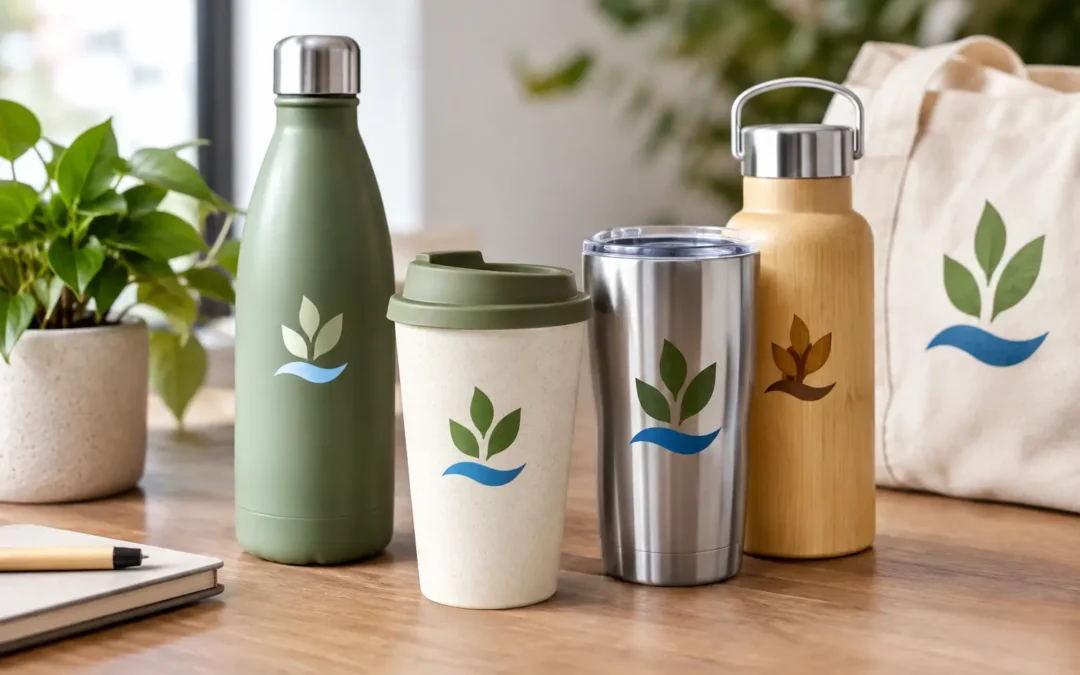
A branded cup or bottle only delivers value when people continue to use it after the event, campaign or first pour. That is the commercial case for sustainable drinkware: choosing practical, durable products that support repeat use while keeping your logo visible in workplaces, venues, gyms, cars and homes.
For Australian buyers ordering in volume, the decision is more involved than selecting a product labelled eco-friendly. Material, intended use, branding method, cleaning requirements, order quantity and delivery timing all affect whether drinkware becomes a useful long-term branded asset or short-lived event stock. The right choice depends on how and where it will be used.
What sustainable drinkware means for business buyers
In a promotional or hospitality setting, sustainable drinkware generally means reusable drinkware selected for a longer working life, with materials and production choices considered alongside its ability to replace disposable alternatives. A reusable item is not automatically the right sustainable choice if it is too fragile, inconvenient to carry, difficult to clean or poorly suited to the audience.
For procurement teams, sustainability should be assessed in practical terms. Will delegates refill the bottle throughout a conference? Can a venue wash and reuse cups through a busy service period? Is the product sturdy enough for a club, brewery or outdoor event? Will the branding remain presentable after regular use?
The strongest result is a product with a clear job. A double-wall bottle works well for staff gifts, corporate programmes and premium campaigns where temperature retention matters. Reusable cups are often a more suitable fit for festivals, sports clubs, breweries and licensed venues. Glassware may suit cellar doors, restaurants and hospitality promotions where presentation and perceived quality are central to the experience.
Choose sustainable drinkware by its intended use
Start with the environment the product must handle, not the material alone. This keeps the order focused, controls unnecessary spend and helps prevent unsuitable stock from being left in storage after an event.
Events, festivals and community activations
For high-volume events, reusable plastic cups are often the most practical option. They are lightweight, less prone to breakage than glass and suitable for repeated washing when specified for commercial use. Clear cups also make beverage presentation easy, while coloured options can support event zones, sponsors or brand palettes.
Capacity matters. A cup that suits beer service may not be appropriate for wine, cocktails or soft drinks. Consider whether your operation needs calibration marks, stackability, compatible lids or a format that works with existing bar equipment. If attendees are encouraged to retain and refill their cup, clear messaging and convenient refill points are as important as the cup itself.
Corporate merchandise and staff programmes
Branded bottles, tumblers and travel mugs suit audiences who commute, work from a desk, attend meetings or exercise. Stainless steel options are valued for durability and temperature performance, while BPA-free plastic bottles can be a cost-effective choice for large staff roll-outs, schools and sporting programmes.
A higher initial unit cost can be justified when the item is used regularly for months or years. However, premium drinkware is not always necessary. For a one-day conference with a hydration station, a simple reusable bottle may provide better budget control and still encourage refill behaviour.
Hospitality, clubs and breweries
Hospitality buyers need drinkware that supports service speed, washing processes and a consistent customer experience. Branded pint glasses, schooners, wine glasses and reusable plastic drinkware can all have a place, depending on the setting. Glass provides a premium feel and is often the right choice for seated dining, cellar doors and branded tasting experiences. Reusable plastic may be the safer operational choice around pools, outdoor spaces, concerts and high-traffic venues.
Consider ordering stock that can be used beyond a single promotion. A well-branded glass or cup can become standard serviceware, merchandise for sale, a members’ benefit or an ongoing sponsor activation.
Materials: understand the trade-offs
There is no single material that suits every sustainable drinkware order. Buyers should weigh durability, appearance, product weight, cleaning demands, branding finish and likely reuse.
Stainless steel is hard-wearing, widely valued for its premium appearance and suited to insulated bottles, tumblers and travel cups. It generally carries a higher unit price than basic plastic, but can offer excellent longevity for corporate gifts and retail-quality merchandise. Powder-coated finishes provide strong colour options, while laser etching can create a crisp, permanent-looking brand mark.
Glass offers clarity and a premium drinking experience, particularly for beer, wine and spirits. It is reusable and recyclable where suitable facilities exist, but its weight and breakability make it less appropriate for every activation. For hospitality operations with commercial glasswashing and controlled service areas, it remains a highly effective branding surface.
Reusable plastic can be lightweight, economical and practical for large events. The specification matters: choose products designed for repeat use and washing, rather than treating any plastic cup as a reusable solution. Plastic can be the sensible operational decision where safety, transport weight and volume are priorities.
Bamboo, cork and other natural-look components can add visual appeal to selected products, especially bottles and travel cups. They should be evaluated for their role in the product rather than used as a shortcut for sustainability claims. A mixed-material item may look distinctive, but can have different care requirements and may not suit every branding method.
Branding that keeps the product in use
Sustainable drinkware works harder when the branding is useful, attractive and built for the life of the product. Oversized artwork, small text or a design placed over curves, seams or handles can reduce impact. Before production, confirm the available print area, artwork requirements and the branding method that suits the product surface.
Screen printing is a practical option for bold, high-volume designs and solid logo colours. Pad printing can be effective for smaller areas and curved surfaces. Full-colour digital printing may suit detailed artwork, while laser etching is particularly popular on stainless steel and selected coated products for a refined, durable finish.
Brand placement should match how the drinkware is held and displayed. A logo facing outward on a tumbler may gain more exposure in a café or meeting room. For event cups, a strong one- or two-colour design is often clearer from a distance than a complex campaign graphic. If the item is intended as a staff gift or retail product, a more understated treatment may encourage everyday use.
Artwork approval is not a formality. It is the point to check logo scale, colour references, wrap areas, spelling, legal marks and the placement of multiple sponsor logos. A reliable proofing process reduces costly production delays and helps ensure the delivered product matches the campaign requirement.
Make reuse part of the campaign plan
Buying reusable drinkware alone does not create a reuse programme. The supporting plan determines whether people keep using it. For events, this may mean visible water refill stations, a cup return system, deposits or clear instructions at point of sale. For workplaces, it can mean pairing new bottles with filtered water access and a staff launch.
Avoid claims that cannot be substantiated. Terms such as recyclable, recycled content, compostable and reusable have specific implications that vary by product and local collection systems. If sustainability messaging will form part of your public campaign, confirm the product specification and keep claims accurate, specific and proportionate.
Packaging is also worth considering for bulk orders. Individual boxes may suit premium presentation or staff gifting, while bulk-packed products can reduce packing material and simplify distribution for events and venue stock. The best option depends on whether products are handed out individually, mailed to recipients or issued from a central location.
Plan production and supply early
Custom drinkware has several moving parts: product availability, colour selection, artwork preparation, decoration, quality checks, packing and freight. A last-minute order can limit product and branding options, particularly for larger quantities or time-sensitive events.
Provide a realistic in-hands date rather than only the event date. Allow time for artwork approval, production, freight to your Australian location and distribution to branches, venues or event sites. If your campaign has multiple locations, confirm carton quantities, delivery instructions and whether split shipments are needed before production begins.
ABC2000 can assist business buyers with product selection, branding options and bulk ordering requirements, helping align the drinkware format with the practical demands of the campaign or operation.
The most effective sustainable drinkware is the piece people reach for again next week. Choose it for the real conditions it will face, apply branding that looks good over time, and give recipients an easy reason to refill rather than replace.