
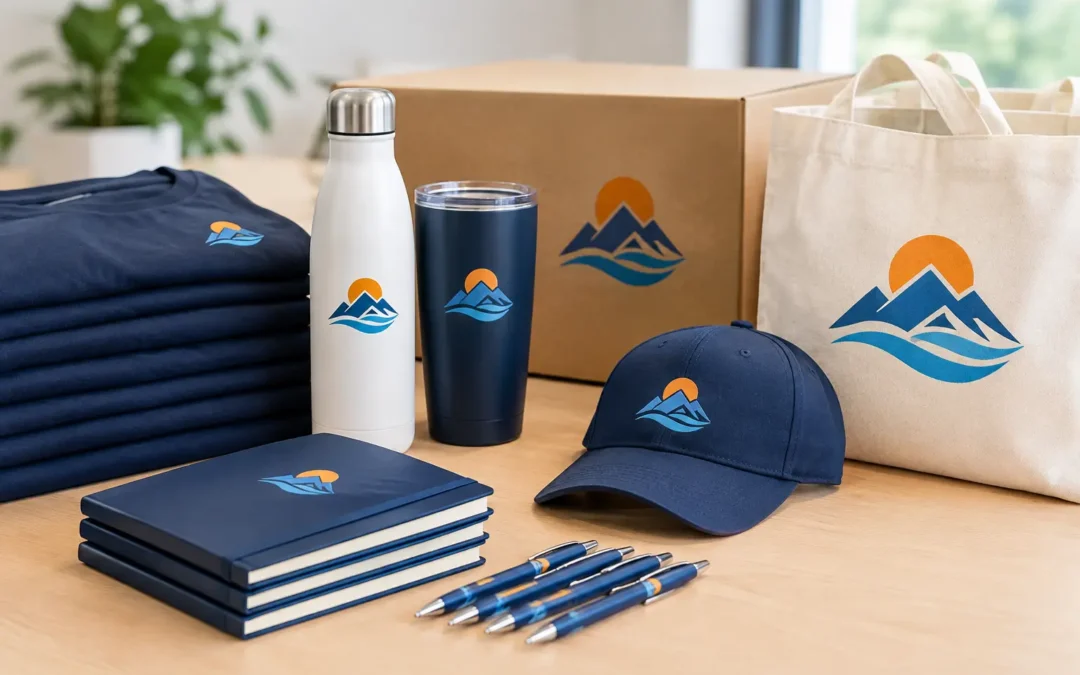
A 50-piece order may sound like a bulk purchase until the product needs a custom print, a separate logo position or individual event fulfilment. Merchandise minimum quantities are not arbitrary barriers. They reflect the real setup, production and handling work required to deliver branded products at a commercial standard.
For Australian businesses ordering promotional products, drinkware, glassware or event merchandise, understanding minimums early makes quoting faster, protects the budget and avoids last-minute compromises. The right quantity is not always the lowest available minimum. It is the quantity that gives your organisation the product, branding quality and delivery timing it actually needs.
Why merchandise minimum quantities exist
Most branded merchandise is produced in batches. Before the first item is printed, etched or packed, a supplier may need to prepare artwork, create a screen or print plate, set up a laser file, mix ink, position jigs, test the decoration and schedule production time. These tasks take broadly the same effort whether the order is for 20 units or 2,000.
Minimum order quantities help spread those fixed costs across enough units to keep the per-unit price practical. They also allow production teams to run a consistent batch rather than interrupting a larger workflow for a very small job.
The minimum can vary significantly by product and branding method. A laser-etched stainless steel bottle may suit a smaller run than a multi-colour screen-printed stubby cooler. Glassware can require particular packing and handling allowances, while imported products may need to be ordered in carton quantities or aligned with available stock.
For buyers, the key point is simple: a product’s minimum is tied to how it is made, branded and supplied, not just the item itself.
What affects minimum quantities for branded products
A plain product can often be supplied in lower numbers than the same item with custom branding. Once a logo, campaign design or variable data is involved, several production factors come into play.
Branding method
Screen printing is effective for bold artwork and larger-volume merchandise, particularly where a consistent spot colour print is required. It may have a higher minimum because of screen preparation and machine setup. Pad printing also has setup requirements and is often used for curved or smaller print areas.
Laser engraving or laser etching is a strong option for metal drinkware, timber and selected glassware. It produces a precise, durable finish and can be efficient for certain order sizes, but the artwork must be suitable for engraving. Fine detail, solid fills and artwork scale all need to be checked before production.
Digital print can suit complex or full-colour artwork on compatible products. The appropriate minimum depends on the item, print area and production process. There is no single branding method that is best for every job. The intended use, artwork and quantity should guide the choice.
Product stock and packaging
Stock availability matters as much as the production minimum. Some products are held locally in a wide range of colours, while others are sourced to order or supplied only in full inner packs or cartons. Ordering in carton quantities can reduce handling and freight costs, especially for heavier items such as branded glassware, bottles and ceramic mugs.
Packaging requirements can also affect the final quantity. Retail-ready boxes, gift packs, individual name labels and event kits add another layer of assembly. They are valuable when presentation is part of the campaign, but they need to be planned as part of the order rather than added at the end.
Artwork complexity and number of versions
One logo printed in one position is generally the most efficient production scenario. Adding a second print location, multiple colours, different names, venue locations or campaign versions can change the setup requirements and the workable minimum.
That does not mean variable designs are off the table. For clubs, breweries, hospitality groups and corporate teams, different designs may be essential. It simply means each version should be quoted as its own production component. A total order of 500 items split across five designs does not always receive the same pricing or production treatment as 500 identical items.
Choosing the right order quantity
The best order quantity starts with the job’s real purpose. Event organisers may need enough branded cups for expected attendance plus a sensible contingency. A venue launching a new cocktail service may need glassware that covers service capacity, breakage allowance and back-of-house rotation. A marketing team may be distributing bottles or notebooks across several offices and needs to account for internal allocation before ordering.
Avoid selecting a quantity purely because it meets the minimum. If 100 units gets the job started but 250 units provides a materially better unit price and supports the next campaign, the larger run may deliver better value. Conversely, ordering excess stock can create storage issues and leave a business with dated campaign artwork or seasonal merchandise.
A practical way to assess quantity is to consider four commercial questions:
- How many units are needed for the immediate campaign, venue or event?
- Is there a likely repeat requirement within the next six to 12 months?
- Will the artwork, logo or message still be current when remaining stock is used?
- Does the saving at a higher quantity outweigh storage, cash flow and distribution costs?
These questions are particularly useful for recurring venue merchandise, staff uniforms, point-of-sale materials and brewery-branded drinkware. Where branding is stable and demand is predictable, a larger production run can be a sensible procurement decision.
Planning around production timelines
Minimum quantities and lead times are closely connected. A small custom run may not always be faster than a larger one, particularly if it requires special setup, non-standard stock or a production slot outside normal workflow. Artwork approval, proofing and freight need to be included in the schedule as well.
For event merchandise, work backwards from the date the goods must be on site, not the date the event begins. Allow time for artwork review, amendments, production, dispatch and receiving the shipment at the venue or office. Regional delivery, split shipments and bulky cartons can require additional planning.
Providing final artwork early is one of the most effective ways to keep a branded order moving. Supply the correct logo files, confirm colours and print positions, and make sure the person approving the proof is available. A delayed approval can have more impact on the delivery date than the quantity itself.
If your deadline is fixed, be upfront about it when requesting a quote. An experienced supplier can recommend stock that is available, decoration methods that suit the timeframe and quantities that can be produced without taking unnecessary risks.
How to get an accurate bulk merchandise quote
A useful quote request gives the supplier enough information to recommend the right option rather than simply price the first available item. Start with the product type, preferred quantity, required-in-hands date and delivery location. Then include your artwork, desired branding position and any colour or finish preferences.
If you are comparing several quantities, ask for tiered pricing. Seeing the difference between 100, 250, 500 and 1,000 units can make budget approval easier and reveal the point where the unit cost becomes more efficient. It also helps procurement teams document why a larger order may represent better value.
Be clear about what needs to be included. Decoration, setup, individual packaging, freight, artwork preparation and fulfilment may all be relevant. Comparing headline unit prices without comparing the full scope can produce surprises later.
ABC2000 works with business buyers on these production details across promotional products, branded drinkware, glassware, print and display materials. That practical support is especially useful when the product, artwork and delivery deadline all need to align.
When a lower minimum is worth considering
There are genuine cases where a low-quantity order is the right call. A premium client gift, a boardroom presentation, a pilot event, a limited-edition venue launch or a new brand test may not justify a large run. In these situations, prioritise a suitable product and decoration method over chasing the lowest possible unit price.
It can also be wise to begin with a smaller run where the design is likely to change. A new menu, evolving logo, sponsorship agreement or short-term campaign can make excess branded stock difficult to use. The trade-off is usually a higher per-unit cost, but that may be preferable to paying for surplus items that no longer fit the brand.
The most effective branded merchandise order is planned as a production job, not just a shopping list. Confirm the intended use, quantity, artwork, branding method and required date at the start, and the minimum quantity becomes a useful guide for making a sound commercial decision.